3 hr 30 min
San Antonio Missions UNESCO Half-Day Tour
- Expert local guide
- Small group
- Skip-the-line access
- Free cancellation
San Antonio Missions Tickets — Free Park Entry & Guided Trail Walks
Four Spanish churches along one river, still holding Sunday mass.
Compare fares, pick the fit — all bookings are mobile-voucher and eligible for free cancellation where shown.
3 hr 30 min
1 hr 30 min
216 hr
| Experience | Duration | Rating | Pickup | Skip-the-line | Guide | Free cancel. | Price | |
|---|---|---|---|---|---|---|---|---|
|
Guided Experience
Most popular
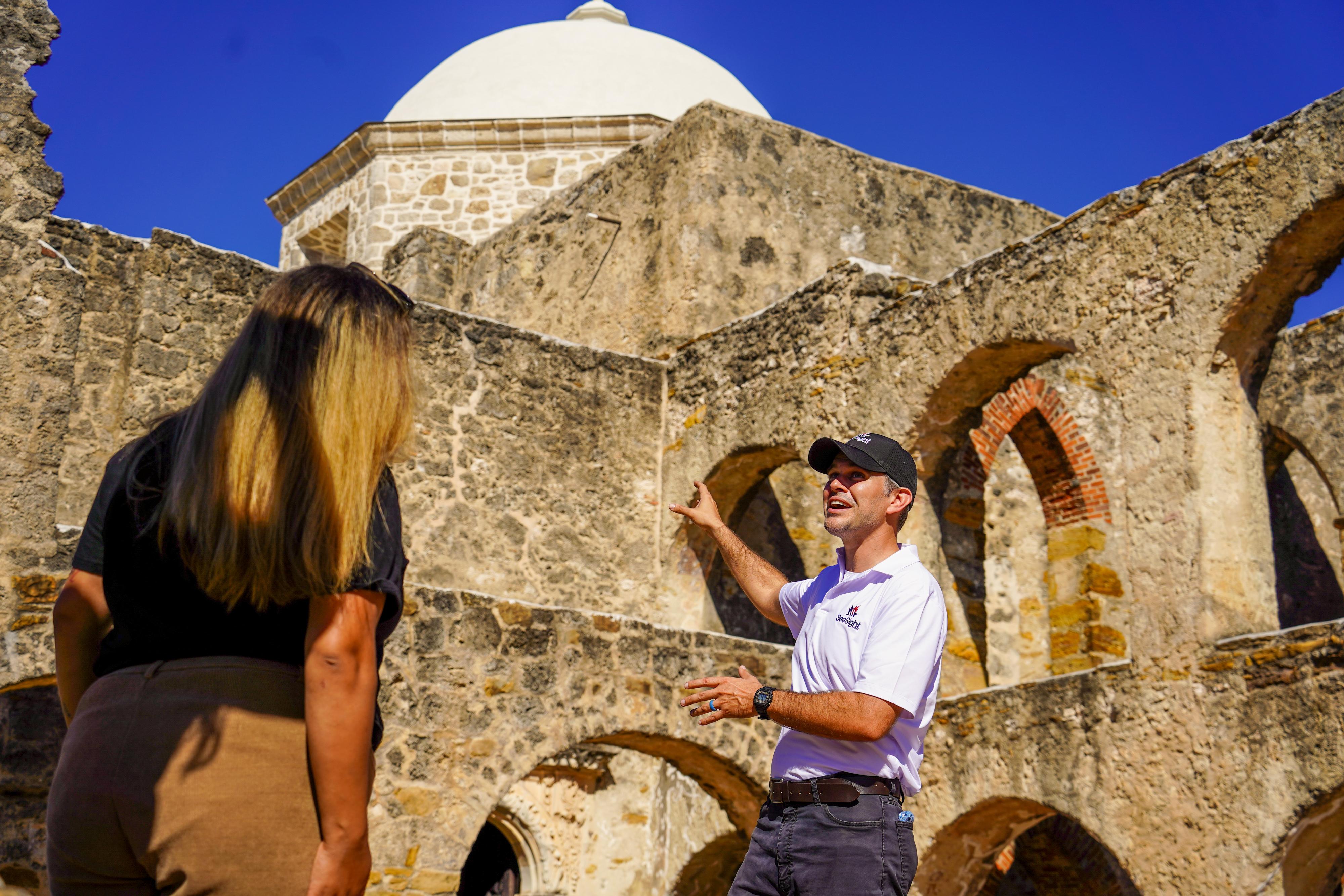
San Antonio Missions UNESCO Half-Day Tour
|
3 hr 30 min | ★ 4.6 | ✓ | ✓ | ✓ | ✓ | €57 | Book → |
|
Standard Entry
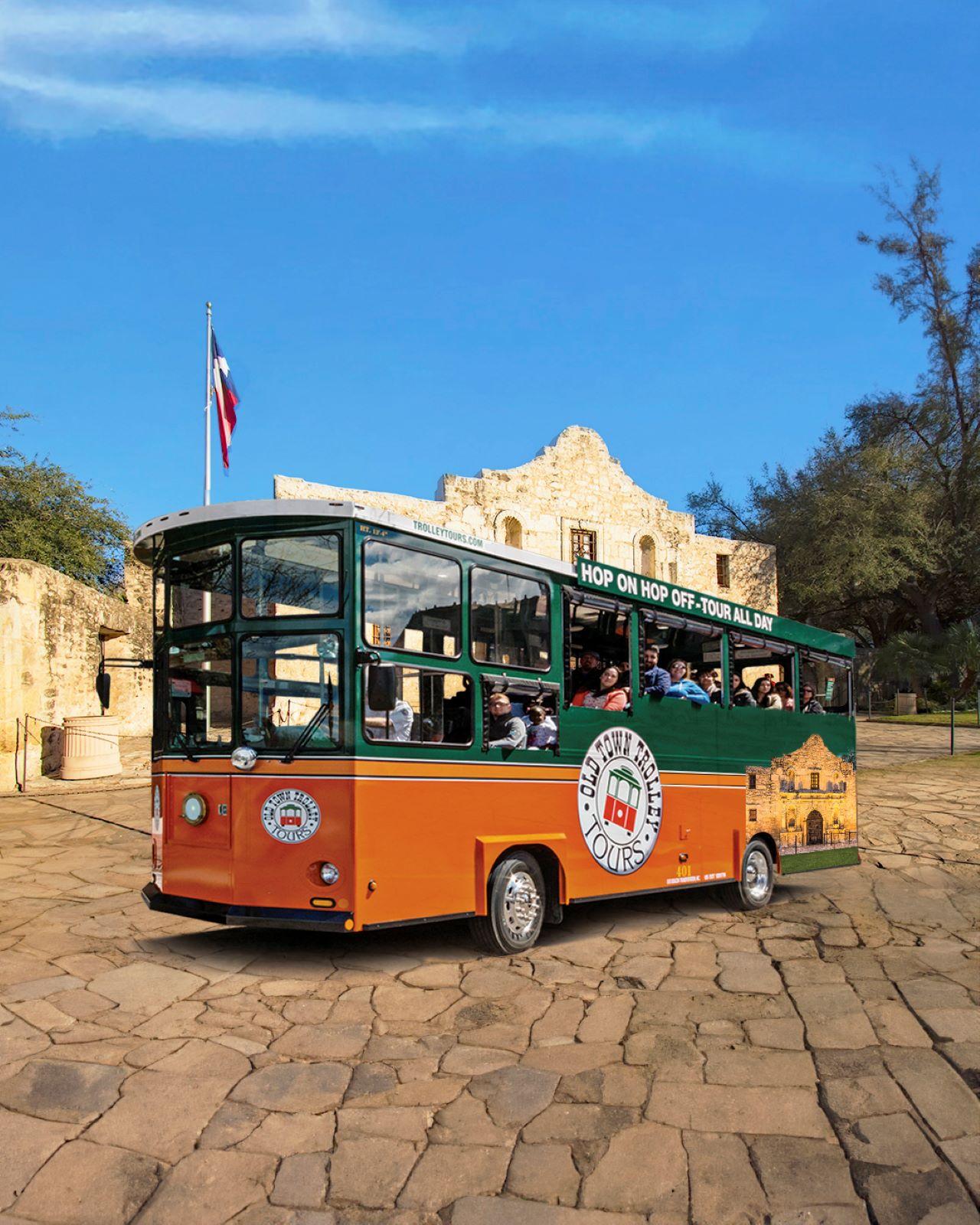
San Antonio Hop-On Hop-Off Trolley Tour
|
1 hr 30 min | ★ 4.7 | — | — | — | ✓ | €47 | Book → |
|
Premium Combo
San Antonio CityPASS®: 4 Top Attractions, One Pass
|
216 hr | ★ 4.5 | — | — | — | ✓ | €55 | Book → |
Most first-time visitors should start downtown at the Alamo, then use San Antonio Missions Tickets to reach the four quieter park missions; the Alamo delivers the famous battle history in a compact hour, while the Mission Trail rewards a slower, less crowded half-day.
|
Top pick San Antonio Missions (Mission Trail) |
The Alamo | |
|---|---|---|
| What you see | 4 working Spanish mission compounds, farmland, acequias | Church, Long Barrack Museum, fortress plaza |
| Crowd levels | Light, spread across four sites | Heavy, especially midday and weekends |
| Cost | Free, no reservation | Free grounds; timed Church ticket required |
| Time needed | 2-4 hours to cover all four missions | 1-2 hours self-guided |
| Setting and atmosphere | Rural, quiet, working parish churches | Dense downtown plaza, urban energy |
| Best for | History depth, photography, fewer crowds | First-timers wanting the iconic landmark |
| See tickets & prices |
Verdict: Pair a downtown Alamo visit with a San Antonio Missions tour of the park's four sister missions for the fuller UNESCO World Heritage story, but if only one fits the day, the Alamo wins for name recognition and the Mission Trail wins for a calmer, more immersive visit.
Hand-picked experiences loved by thousands of travelers
4.5 hours
Free Cancellation
Explore four historic Spanish missions and a UNESCO site with a local guide and no car needed.
3 hours
Free Cancellation
Visit all four UNESCO Spanish colonial missions in comfort with hotel pickup and a local guide.
30 days validity
Free Cancellation
One digital pass, three top San Antonio attractions of your choice, valid 30 days at your own pace.
Flexible entry
Free Cancellation
Explore 5,000 years of world art in a converted historic brewery on the River Walk.
2.5 hours
Free Cancellation
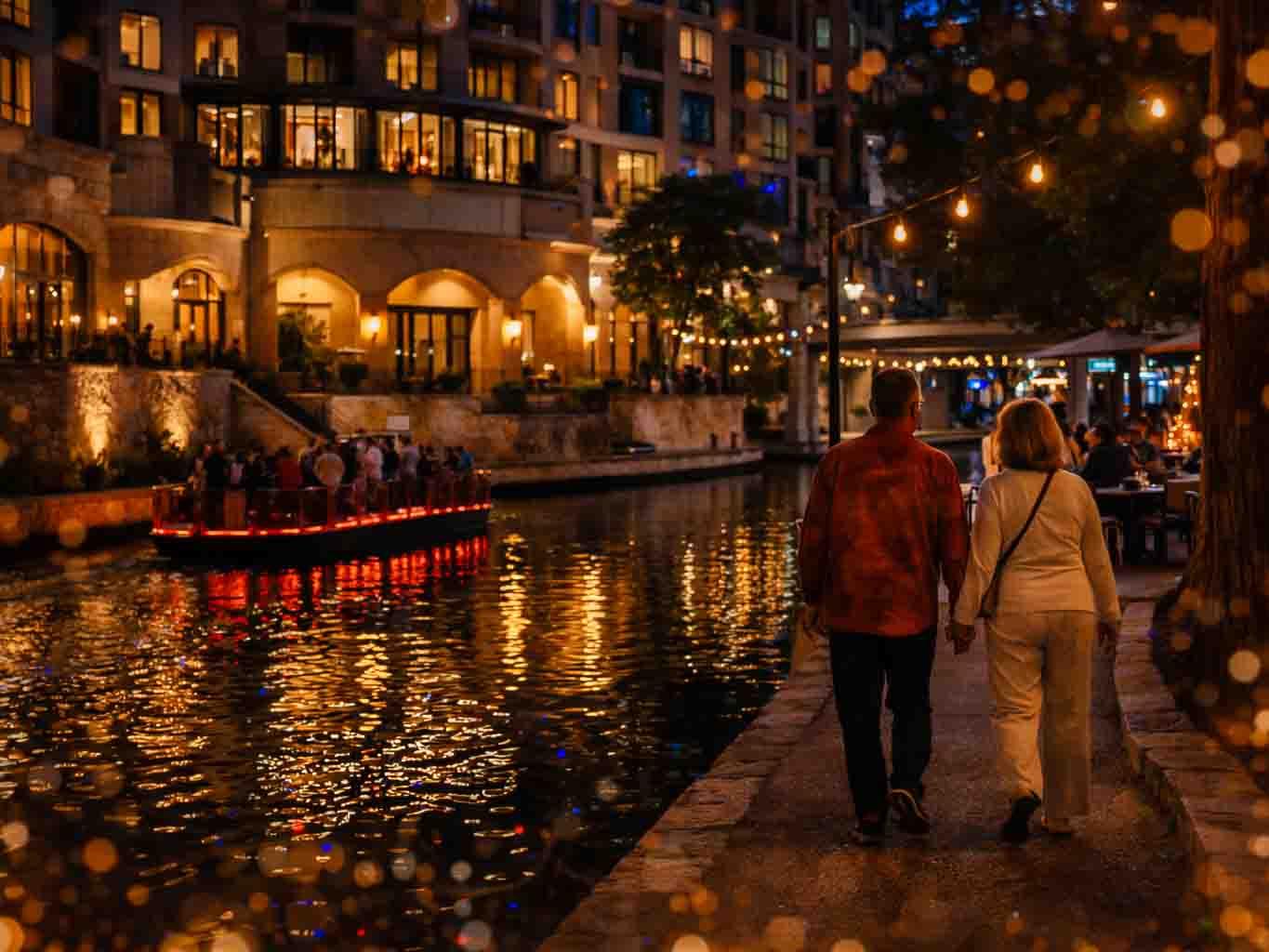
An intimate after-dark stroll along the River Walk, made just for two.
Watch the introductory film and pick up a park map at Mission San José
Walk the restored quarters, granary, and the Rose Window facade
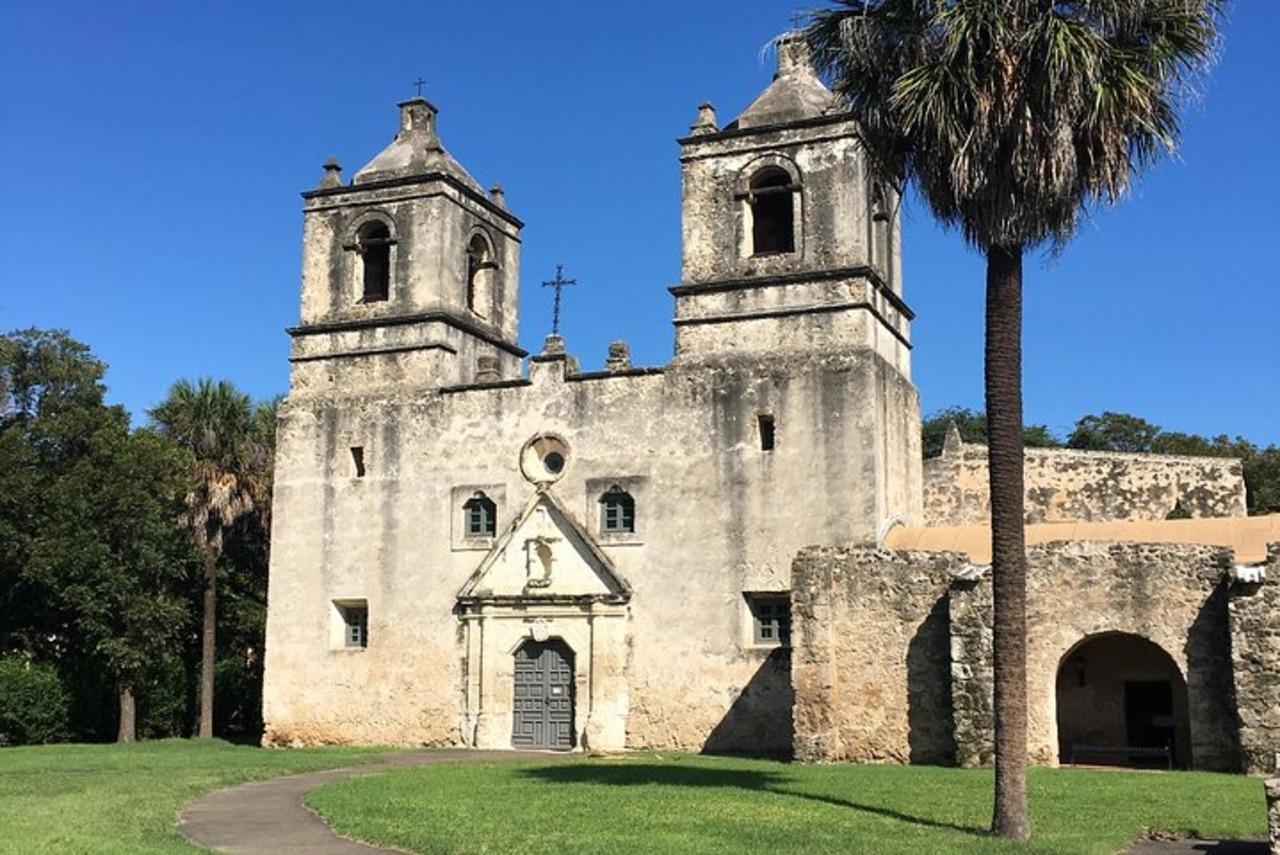
View the oldest unrestored stone church in the US and its original frescoes
See the agricultural fields and quiet chapel grounds
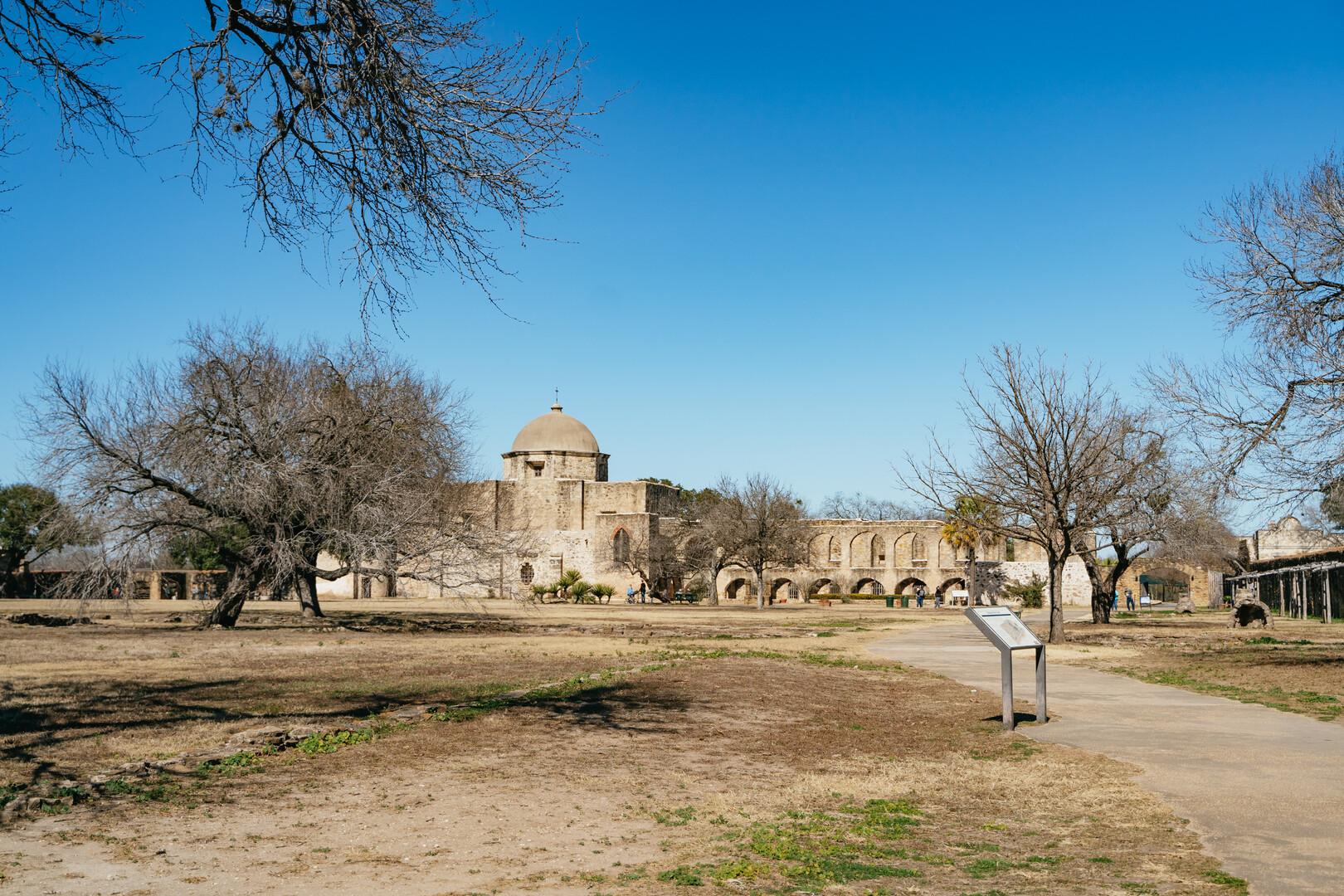
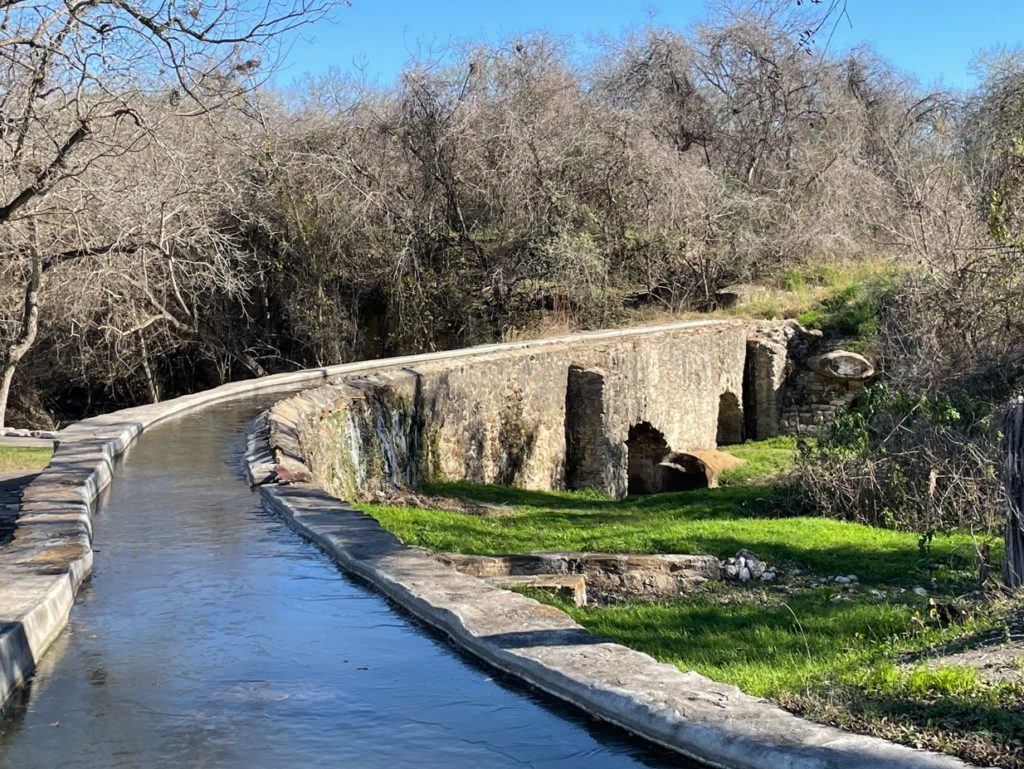
Walk the historic Espada Aqueduct and small mission chapel
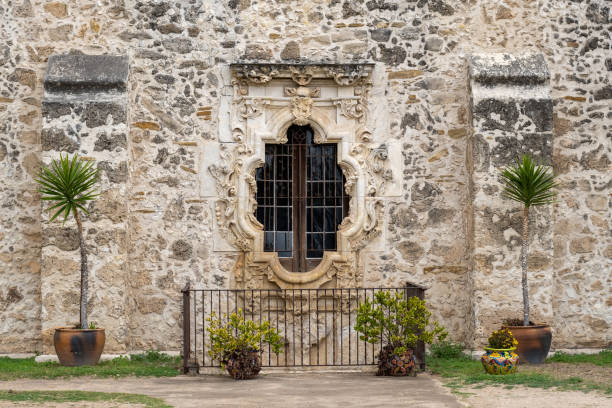
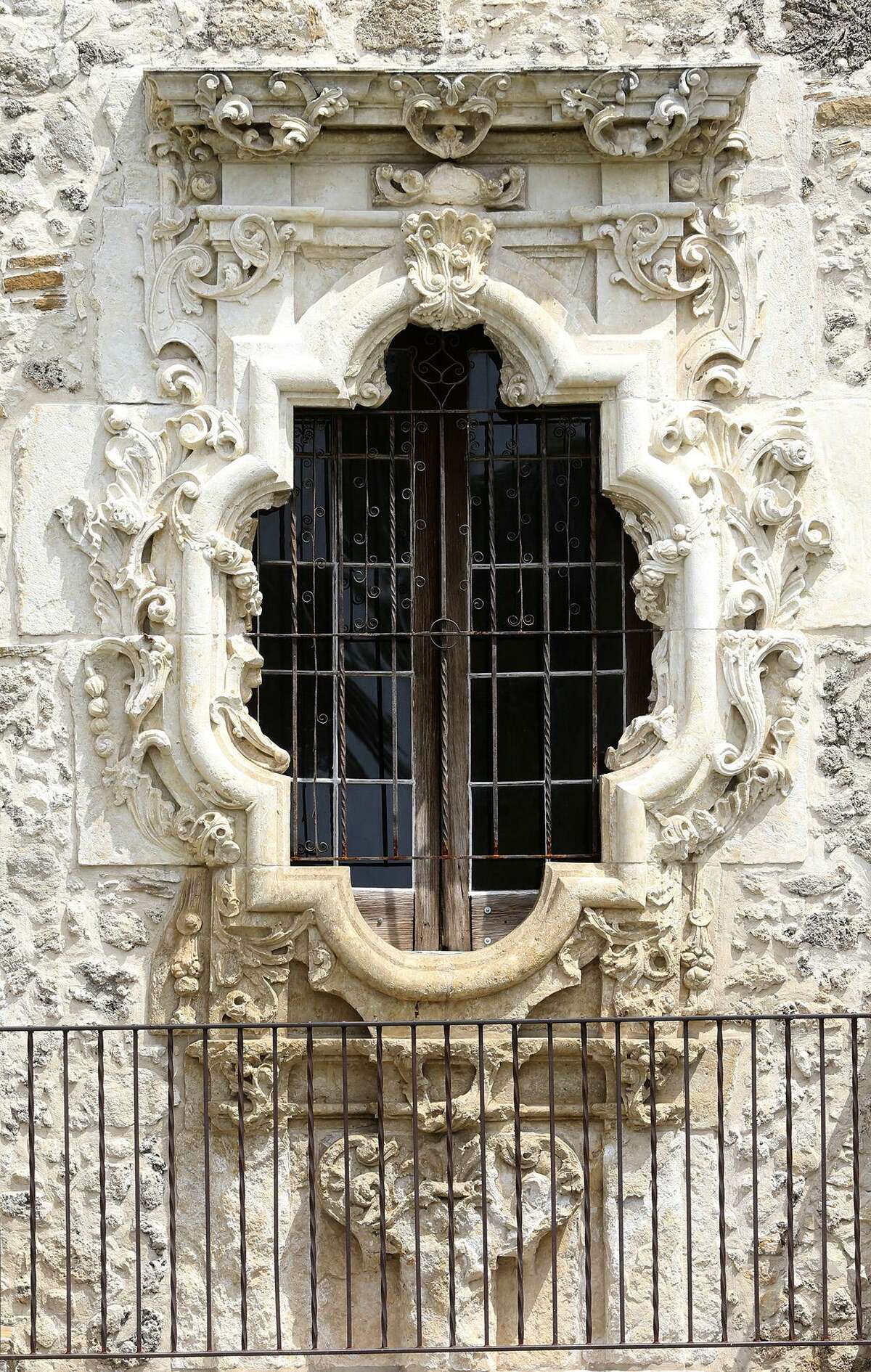
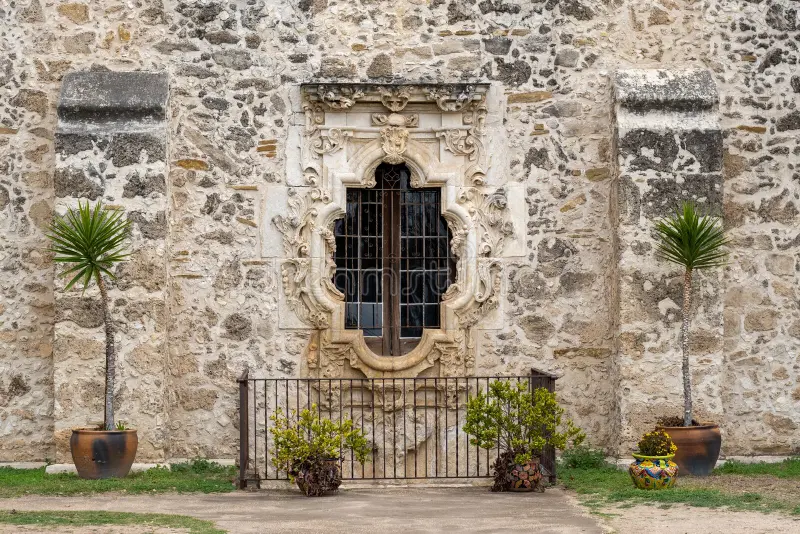
A carved stone window on the sacristy facade of Mission San José, documented by historians since the 1930s as one of the finest examples of Spanish Colonial ornamentation in North America. Local legend surrounds its unnamed carver, though no record confirms who created it.
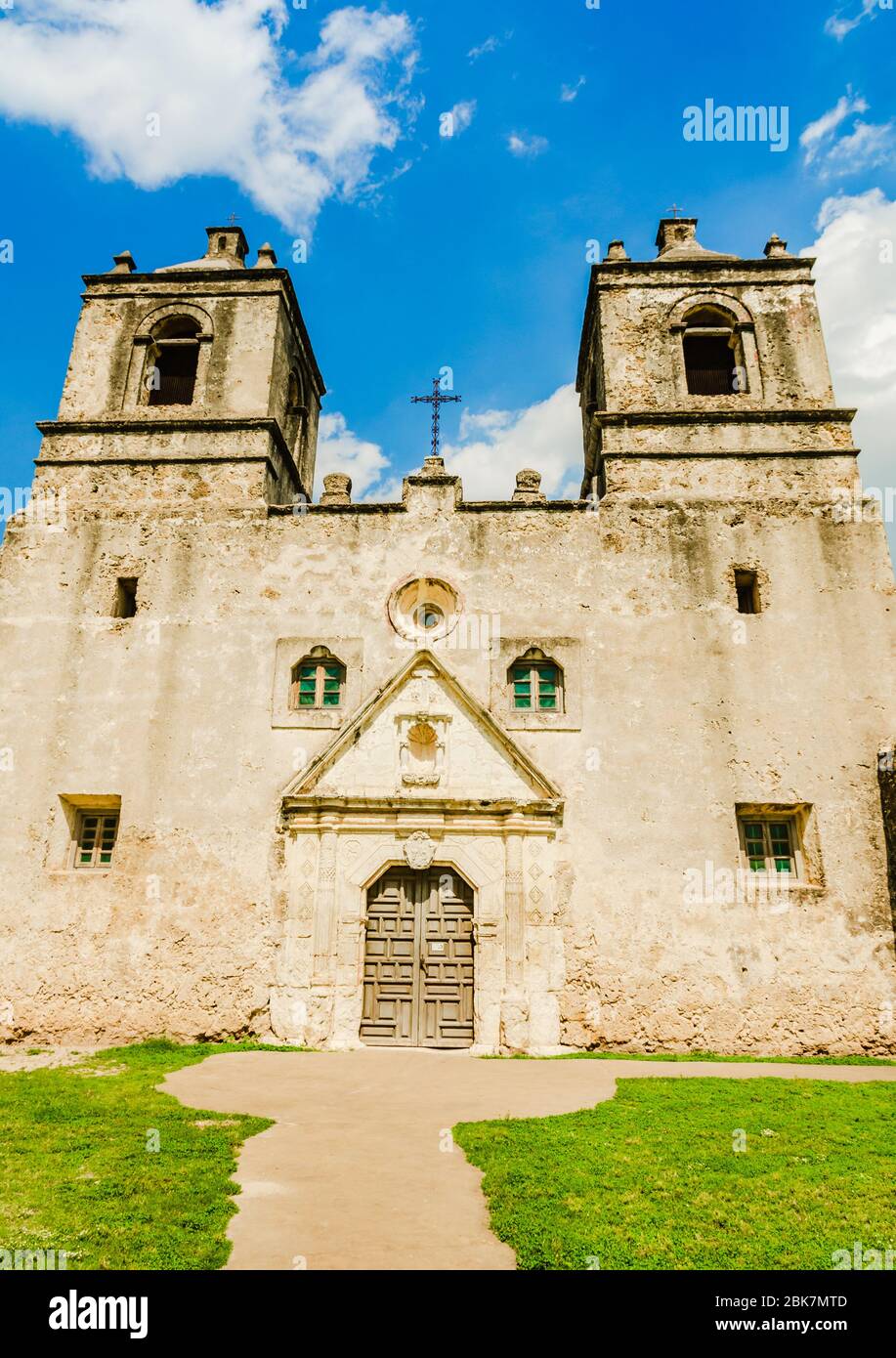
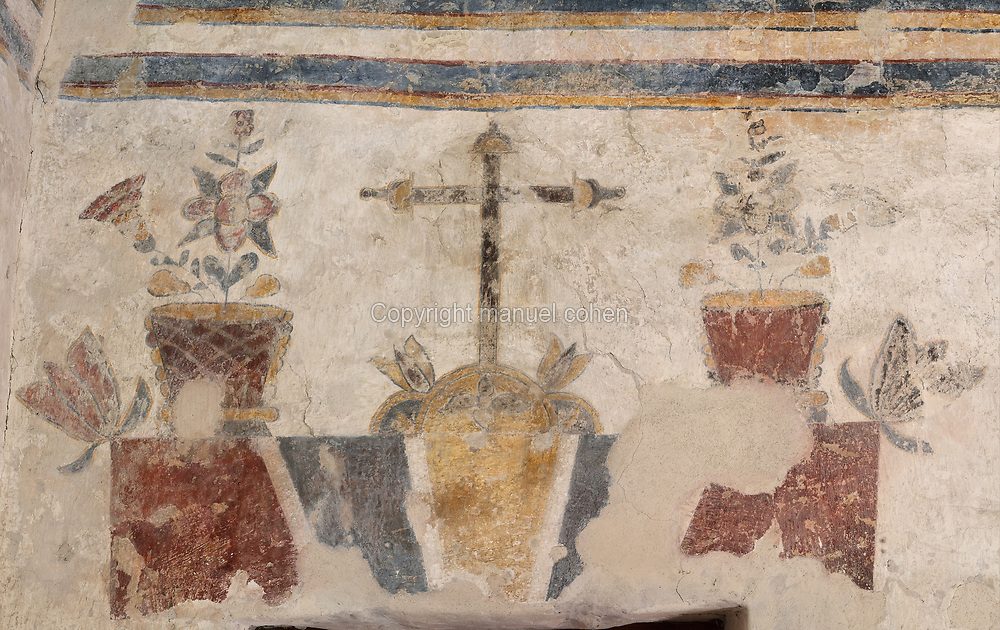
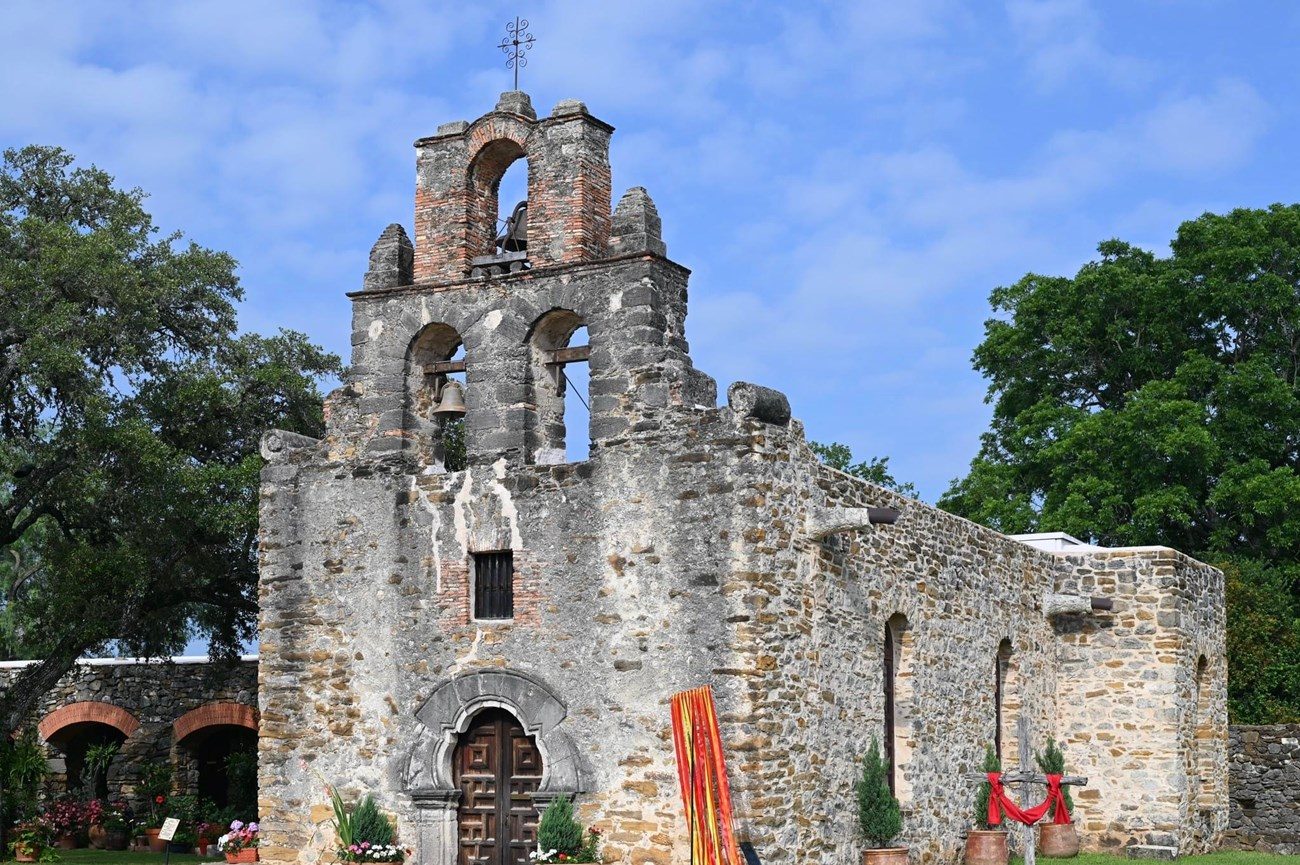
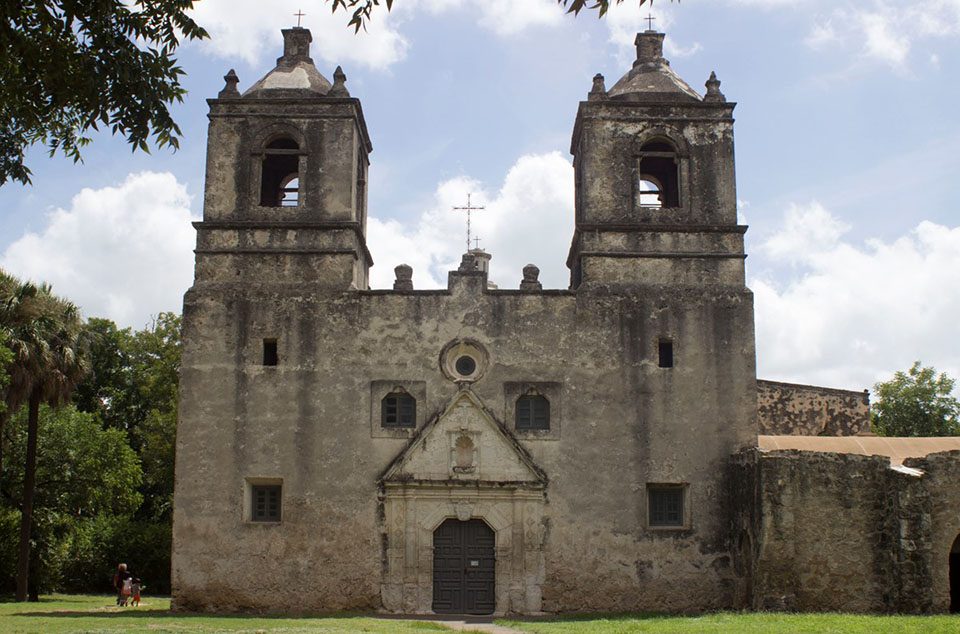
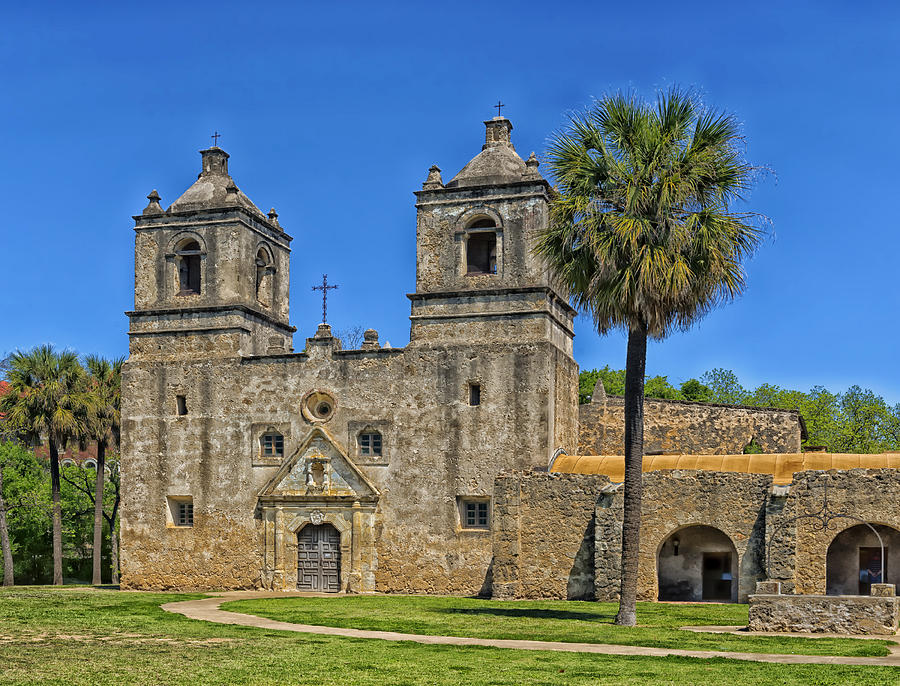
Dedicated in 1755, Mission Concepción holds the greatest concentration of original wall art remaining across the park, painted directly onto wet plaster using a scoring technique taught to Indigenous mission residents. It stands as the oldest unrestored stone church in the United States.
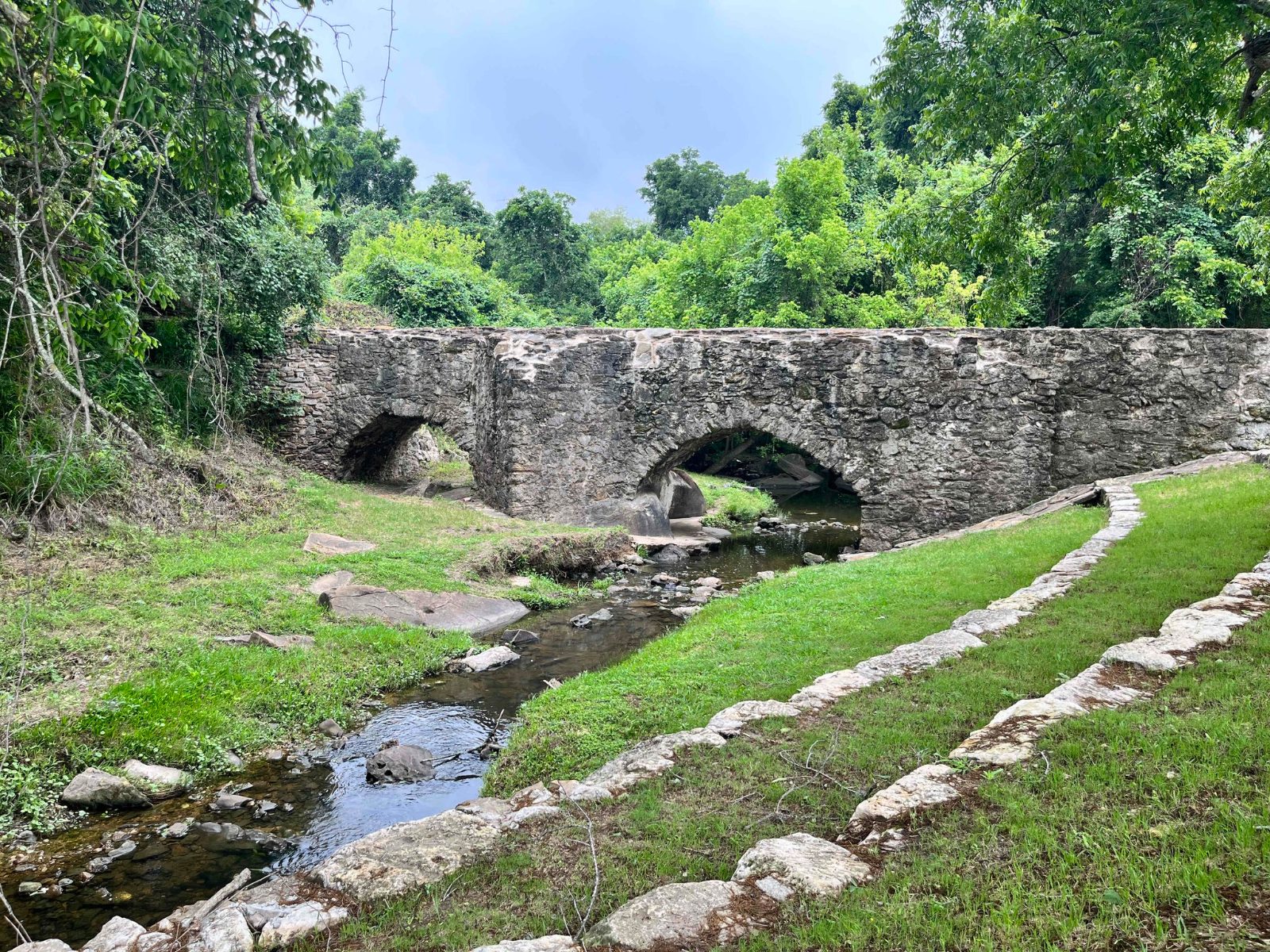
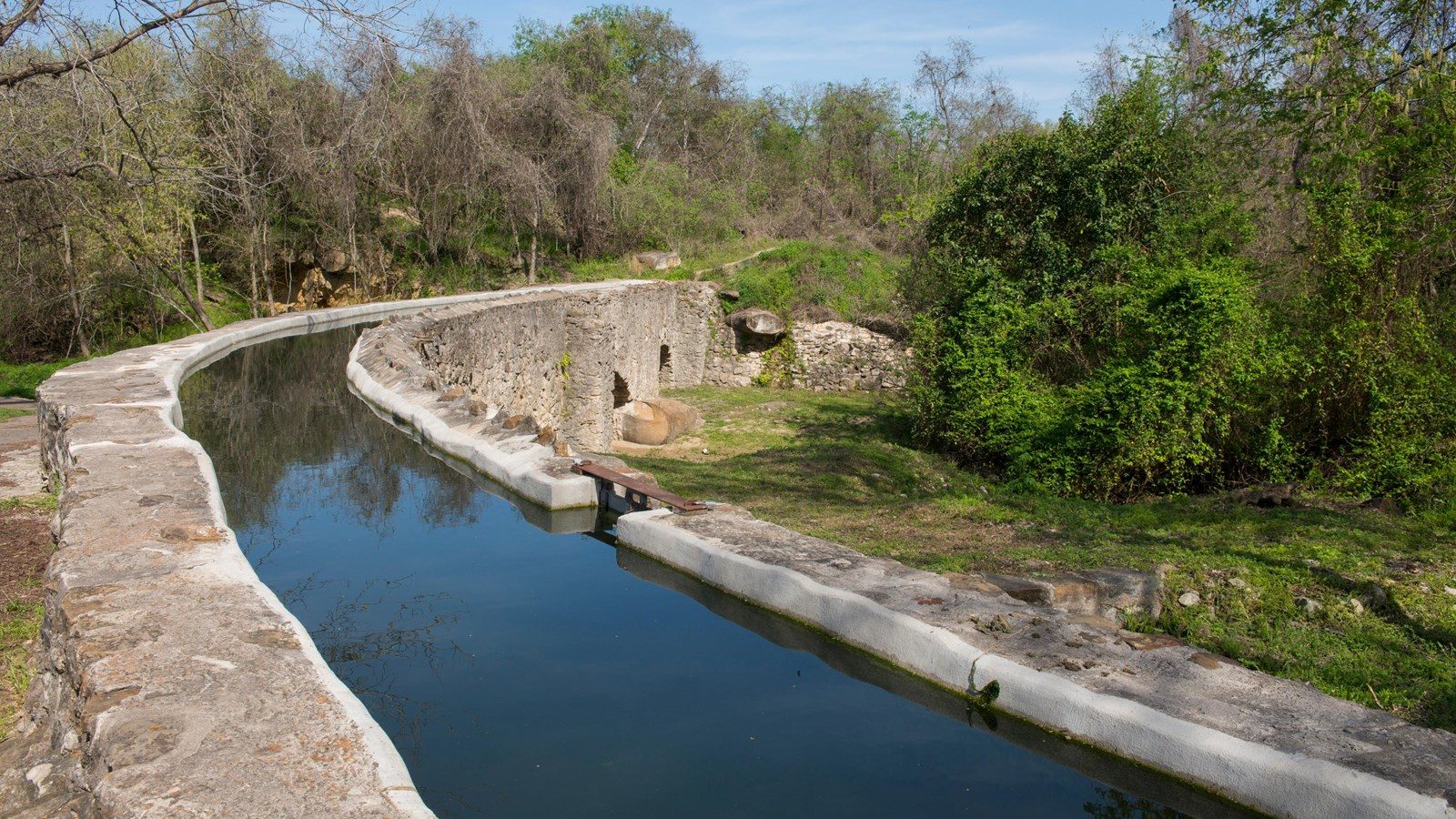
Built in the mid-1740s near Mission Espada, this Spanish colonial aqueduct still channels water from the San Antonio River through a functioning acequia system nearly 300 years later. It is considered the oldest Spanish aqueduct still in use in the United States.
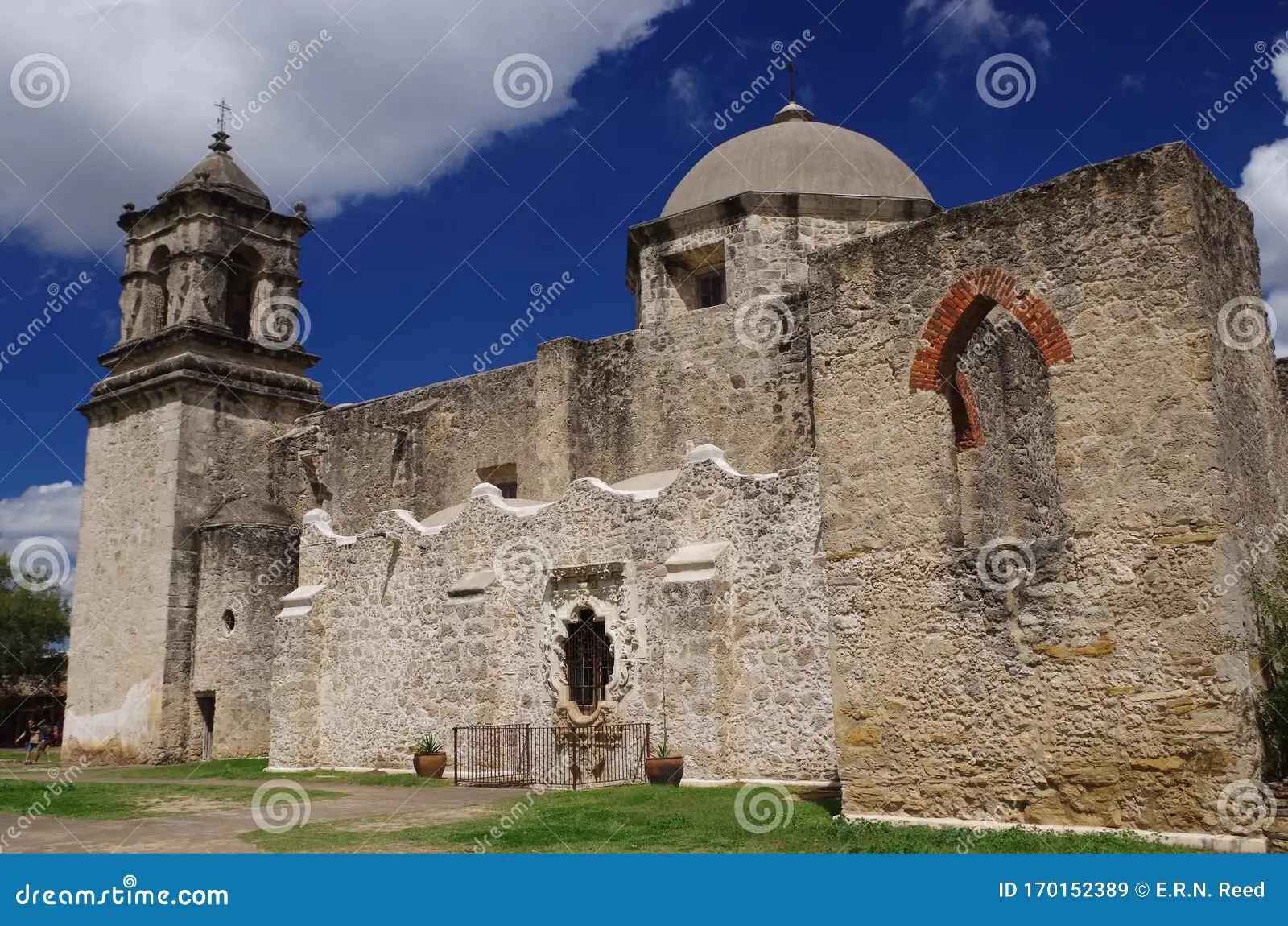
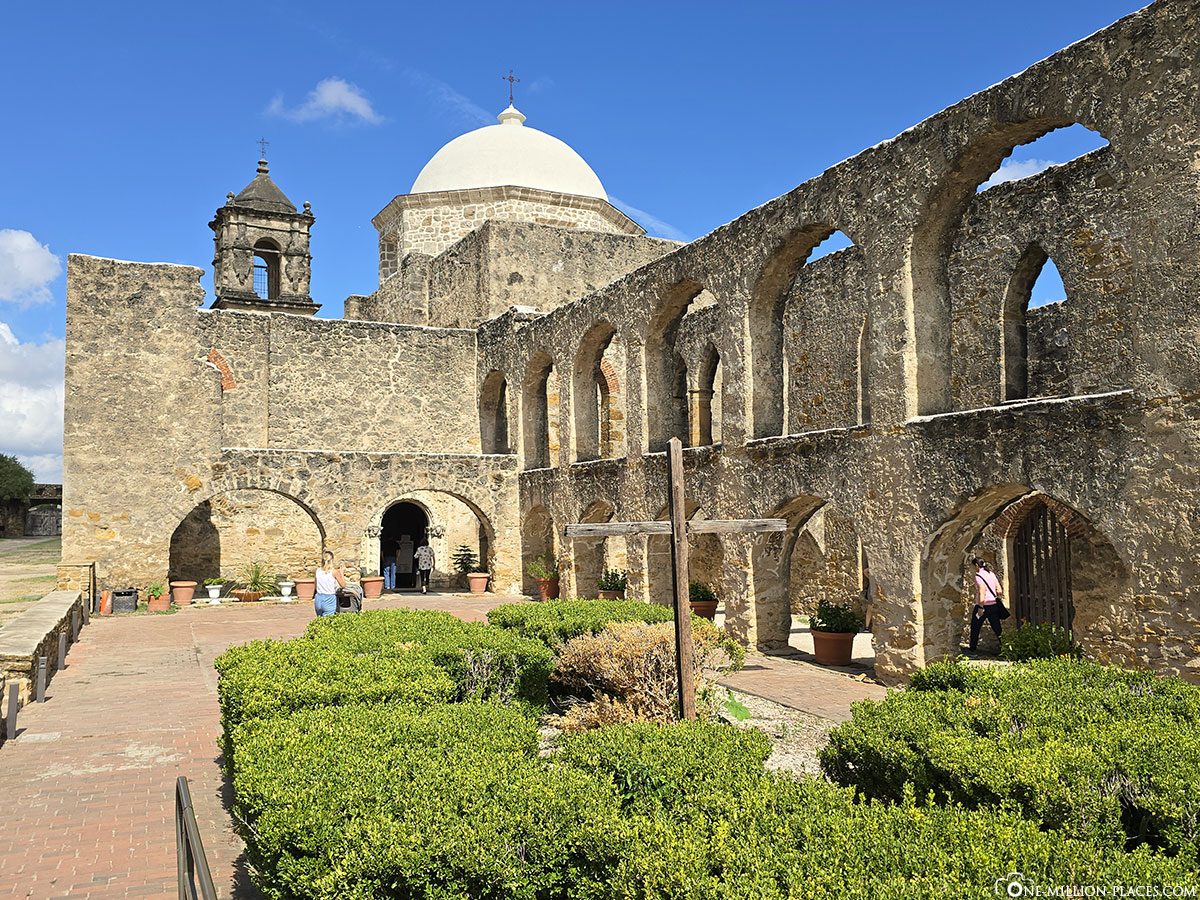
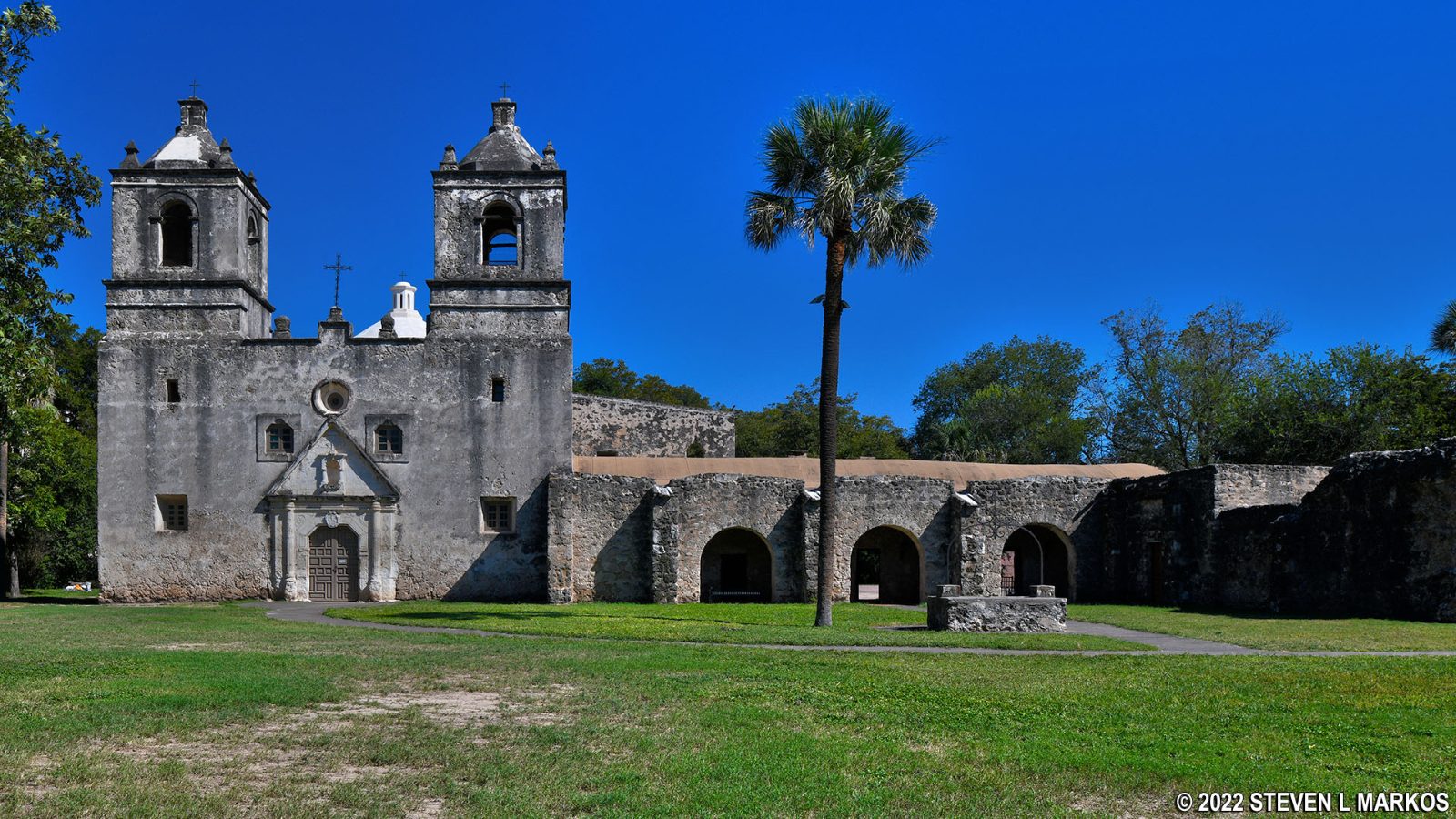
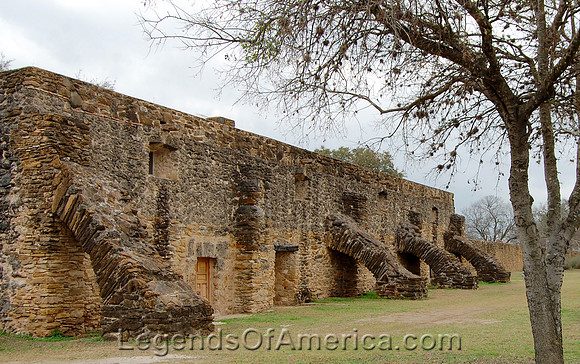
Established in 1720 and nicknamed the Queen of the Missions, Mission San José once functioned as a fully self-sufficient walled community with its own granary, gristmill, and workshops housing hundreds of residents. Restoration work in the 1930s rebuilt much of the compound visible today.
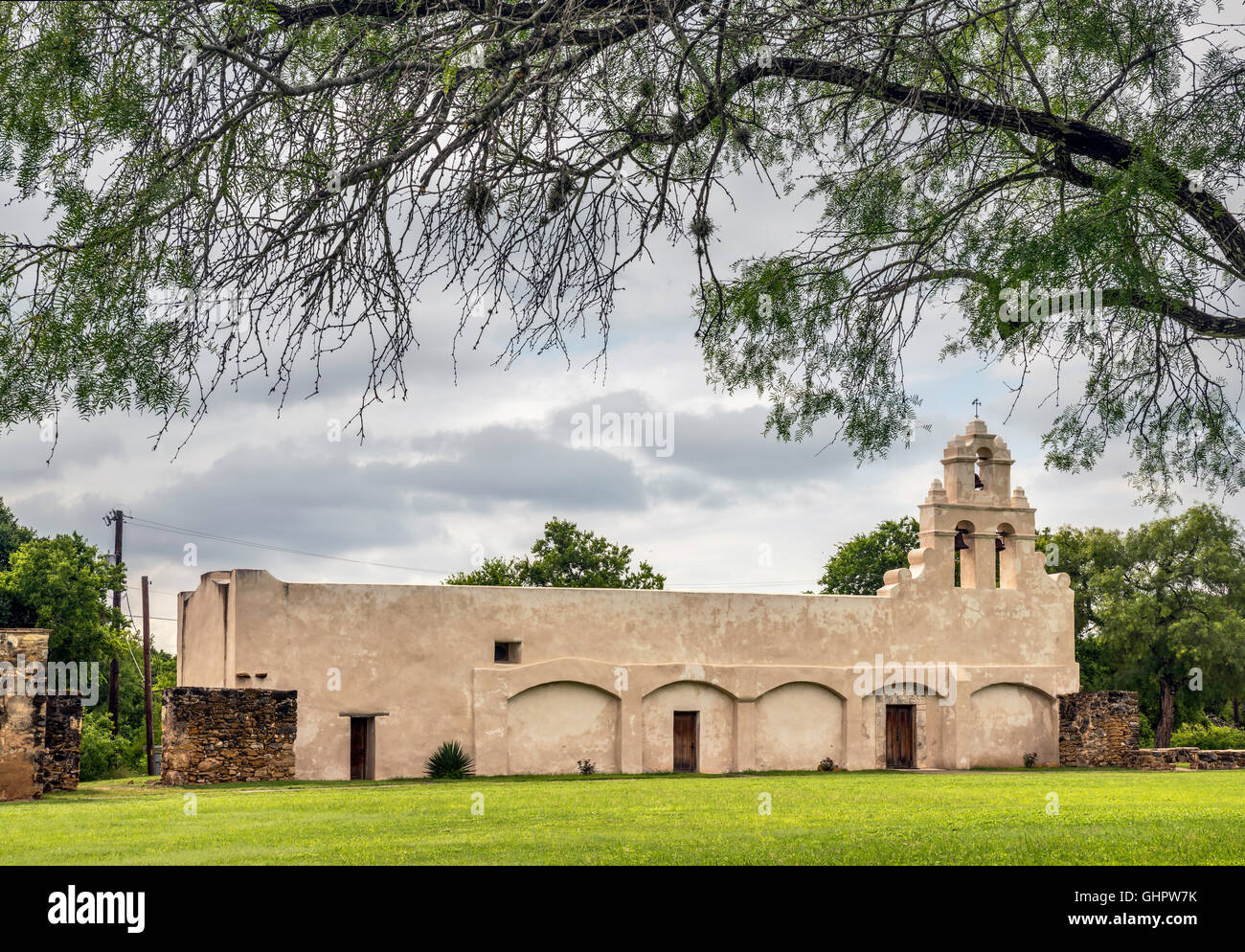
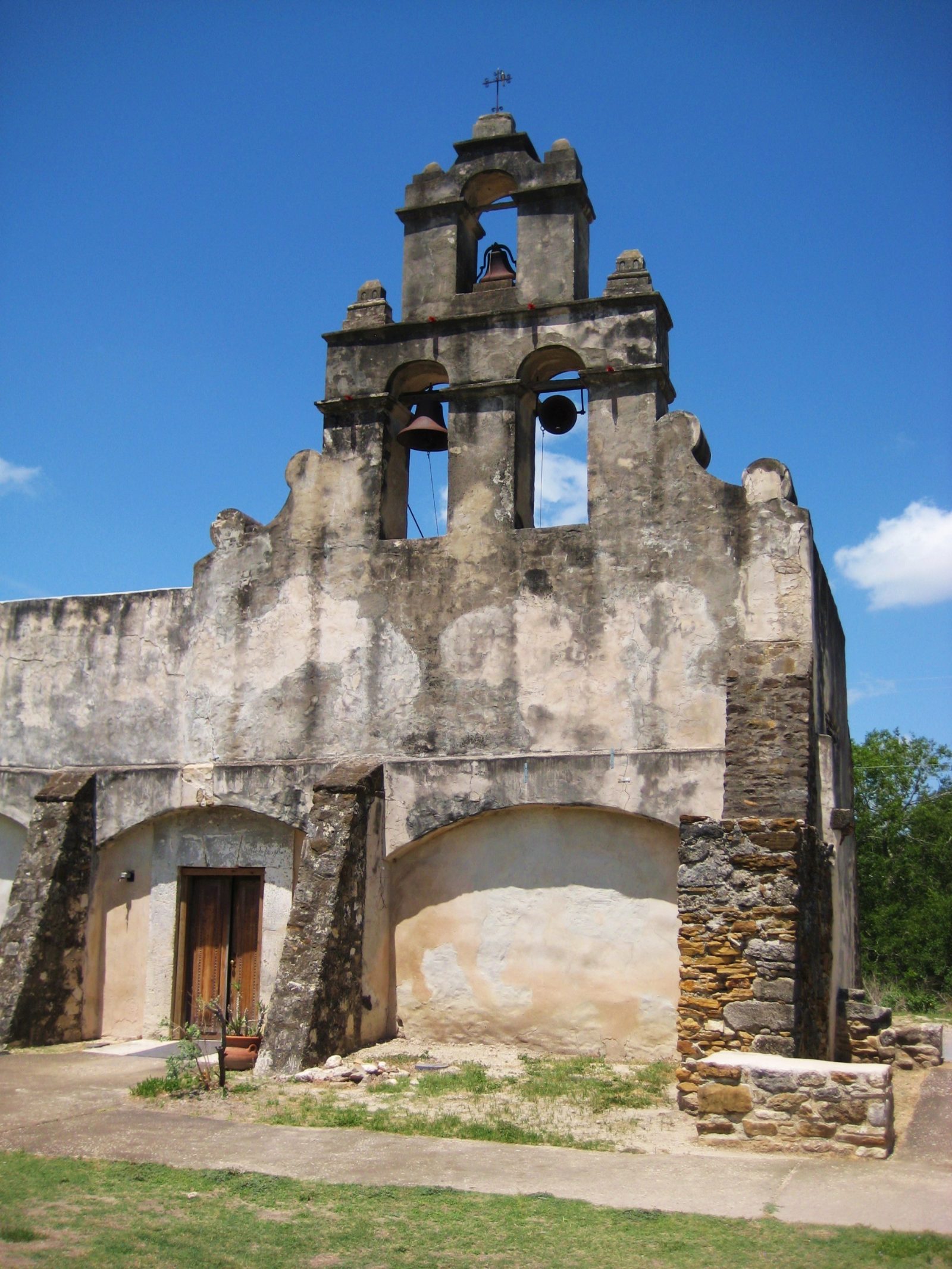
Once an agricultural hub supported by irrigation acequias, Mission San Juan's surrounding fields historically supplied surplus crops traded as far as Louisiana and Mexico. Its modest chapel contrasts with the extensive farmland that sustained the wider mission community.
The small chapel at Mission Espada, the first Texas mission originally founded in 1690 before relocating to San Antonio in 1731, still has its bell rung daily around noon. The mission's modest scale offers a quieter counterpoint to the larger San José complex.
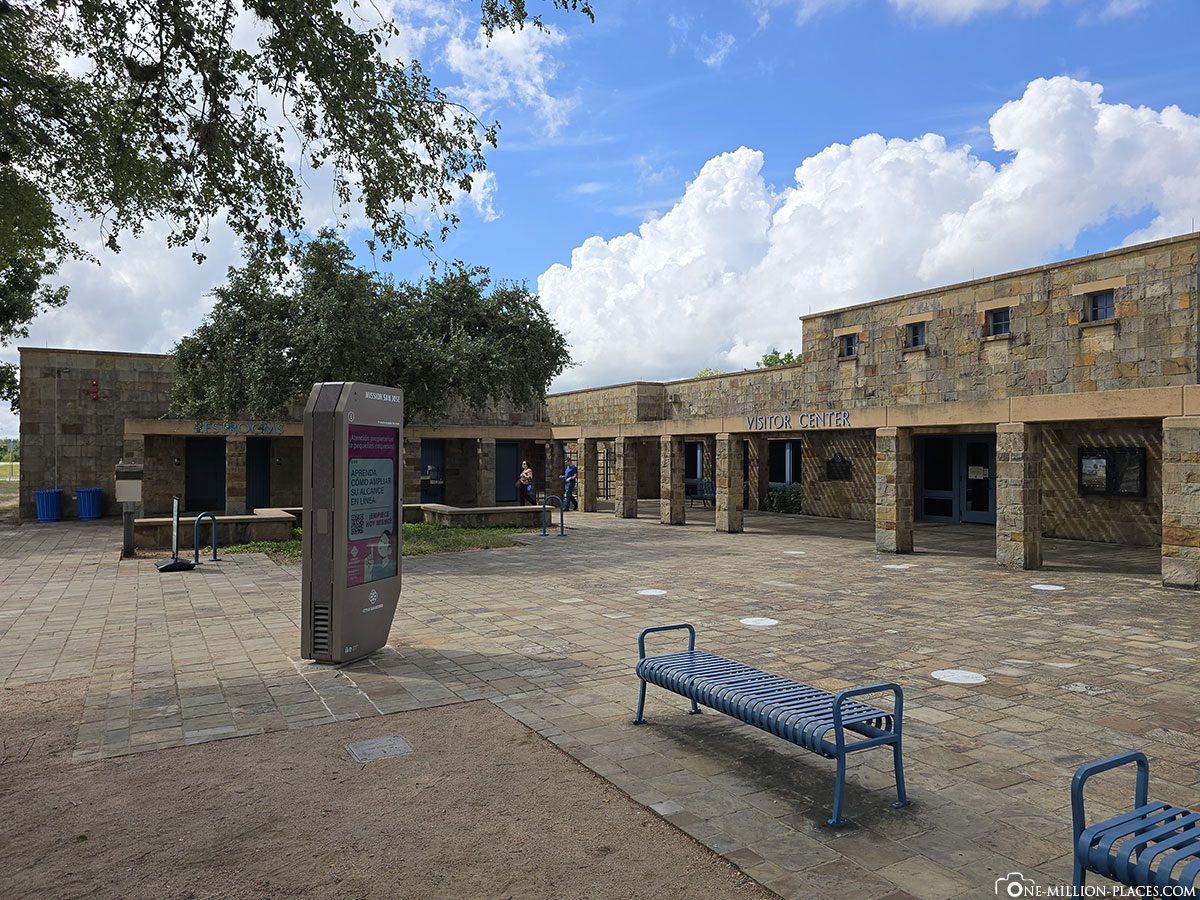
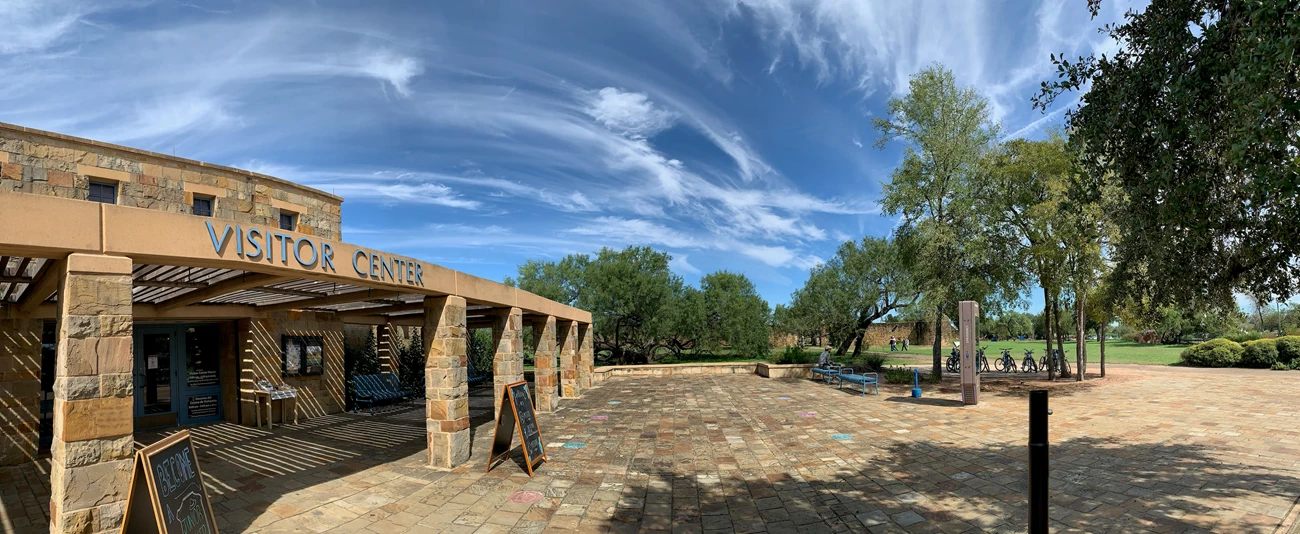
You arrive at the Visitor Center on San Jose Dr between 09:00 and 11:00, when the limestone still holds the night's coolness and the parking lot has room. You pick up a trail map, walk through the arched gateway, and the compound opens out — a grass quadrangle wider than you expected, ringed by low stone rooms.
You cross to the south wall and find the Rose Window. You stand close, then step back twelve feet, because the carving reads differently at distance. You circle to the granary, duck under the buttressed vault, and hear how the acoustics flatten your footsteps. A ranger programme starts near the church door; you join for twenty minutes, then peel off.
South from here the corridor stretches roughly eight miles. You either drive it, or you collect a bicycle and follow the paved Mission Reach along the river, passing herons and low dams. San Juan comes first, its single bell wall plain against the sky. You pause at the demonstration farm, where the same acequia channel still runs. Then Espada, smallest of the four, with its odd Moorish doorway arch that masons apparently assembled wrong and nobody corrected.
You double back to Concepción last, before 17:00. You step inside, let your eyes adjust, and find the faded frescoes on the ceiling of the side room. San Antonio Missions Tickets tickets for guided walks are worth it here — the paint is easy to miss unaided.
All the details about your upcoming adventure in one place
The four Spanish colonial missions south of downtown — Concepción, San José, San Juan Capistrano and Espada — remain active parish churches set along a nine-mile stretch of the San Antonio River. San Antonio Missions Tickets tours cover the Mission Trail with a guide who explains the acequia irrigation channels, the Rose Window at San José and the Espada Aqueduct still carrying water after three centuries. Guided San Antonio landmarks itineraries fold in the limestone bell towers, restored granary and the National Park Service visitor center at Mission San José.
The park charges nothing. Entrance to all four missions is 0 USD, with no reservations required — an unusual arrangement for a UNESCO-inscribed site that draws over a million people a year.
That single fact reframes how visitors should think about San Antonio Missions Tickets: the question is never what to pay for entry, but whether a guided walk, a bicycle rental, or a ranger talk is worth adding on top of free access.
Mission San José, Mission Concepción, Mission San Juan Capistrano, and Mission Espada were founded between 1716 and 1731, relocated to the San Antonio River basin for reliable water. They were never purely religious. Each functioned as a working settlement with granaries, workshops, farmland, and an acequia system that still carries water today. The Espada Aqueduct, completed around 1745, remains the oldest Spanish aqueduct in the United States and continues to move water across Piedras Creek.
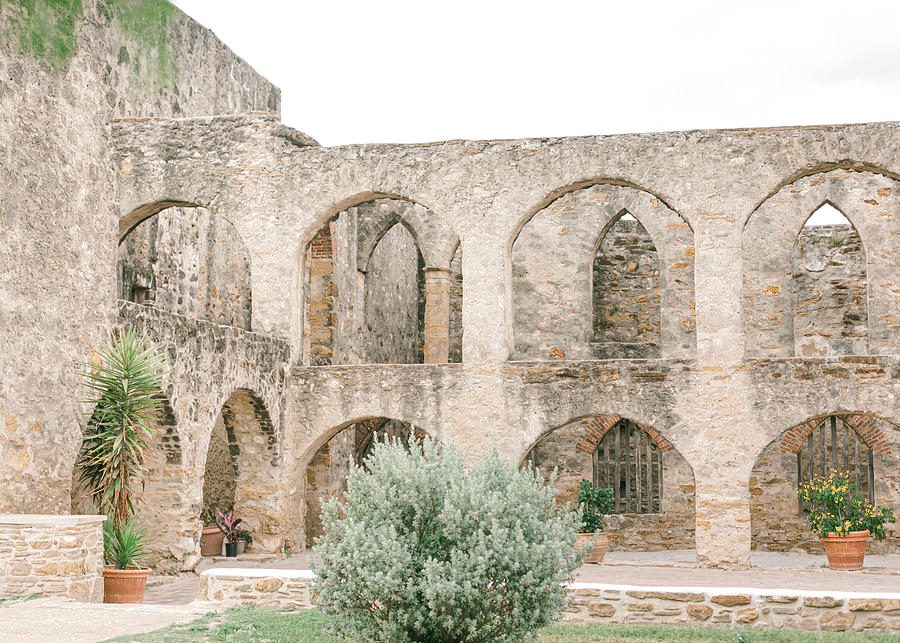
Architecturally, the four differ sharply, which is the strongest argument for seeing more than one. Concepción retains its original 1755 stone vaults and unrestored frescoes — the oldest unreconstructed stone church in the country, its twin towers unaltered by any nineteenth-century rebuilding. San José, the largest, carries the carved limestone Rose Window on its south wall, a piece of Spanish Colonial Baroque sculpture whose attribution has been debated for two centuries. Its restored granary and encircling compound walls, with their rows of Indigenous residents' quarters, show the mission as an economic unit rather than a chapel. San Juan and Espada are plainer, smaller, closer to the river, with a rougher masonry that reads as frontier construction rather than display.
What separates these buildings from ruins elsewhere is continuity. All four remain active Catholic parishes. Mass is celebrated weekly. Descendants of mission families still worship in the same rooms their ancestors built, which is why the National Park Service manages the grounds while the Archdiocese of San Antonio retains the sanctuaries.
That living use shapes the visiting context. Grounds are open 09:00–17:00 every day of the week, and the Visitor Center sits at 6701 San Jose Dr. Guided San Antonio Missions Tickets tours and interpretive programmes exist precisely because the free footprint is large — roughly eight miles of river corridor separates the northernmost church from the southernmost — and a paid guide compresses that distance into narrative. Cycling the Mission Reach trail, a self-directed alternative, costs a rental fee and little else.
Judged on value, the calculus is simple. Free entry means every dollar spent buys interpretation, transport, or convenience — not access. Few Spanish Colonial landmarks in North America offer that.

The question is never what to pay for entry, but whether interpretation is worth adding on top of free access.
Casual, weather-appropriate clothing is fine, but shoulders should be covered when entering the active church interiors at Mission San José, Mission Concepción, Mission San Juan, and Mission Espada out of respect for ongoing Catholic worship. Closed-toe walking shoes help on the uneven flagstone and gravel paths around the mission grounds.
Bags are permitted throughout the park and there are no metal detectors or bag checks at the Visitor Center, though rangers may ask to look inside larger backpacks during special events. Keep bags small and zipped when inside the church naves, since the four mission churches remain active parishes with limited aisle space.
Personal photography and non-flash photos are allowed throughout the grounds and inside all four mission churches, including near the Rose Window at Mission San José. Tripods, drones, and commercial or filming equipment require a permit issued in advance through the park's film office; flash photography is discouraged during active church services.
Kids can complete the free Junior Ranger booklet at the Visitor Center and pick up mission-specific supplemental activity sheets at each site. Strollers move easily on the paved Mission San José courtyard but less easily on the gravel paths at Mission Espada and Mission San Juan.
The Mission San José Visitor Center has paved, wheelchair-accessible pathways, accessible restrooms, and reserved parking near the entrance. Mission Concepción, San Juan, and Espada have flatter grounds but some sections of gravel or uneven stone that can be harder to navigate for wheelchairs and strollers.
There are no restaurants or snack concessions at any of the four mission sites, so pack water and snacks before setting out, especially in the San Antonio summer heat. The Visitor Center at Mission San José has vending-free indoor seating and water fountains, and the nearby Mission Reach section of the River Walk has a few cafes within a short drive.
Ranger tours 10:00 & 11:00 AM
Quietest weekday
Busier with weekend visitors
Church services may limit access
Hours
Daily 09:00–17:00 (closed Thanksgiving, Christmas, New Year's Day)
Opening hours
09:00 – 17:00
Getting there
City-center access via metro and bus
Accessibility
Most experiences are wheelchair-friendly — check individual tours
What to bring
Comfortable shoes, water, phone for mobile voucher
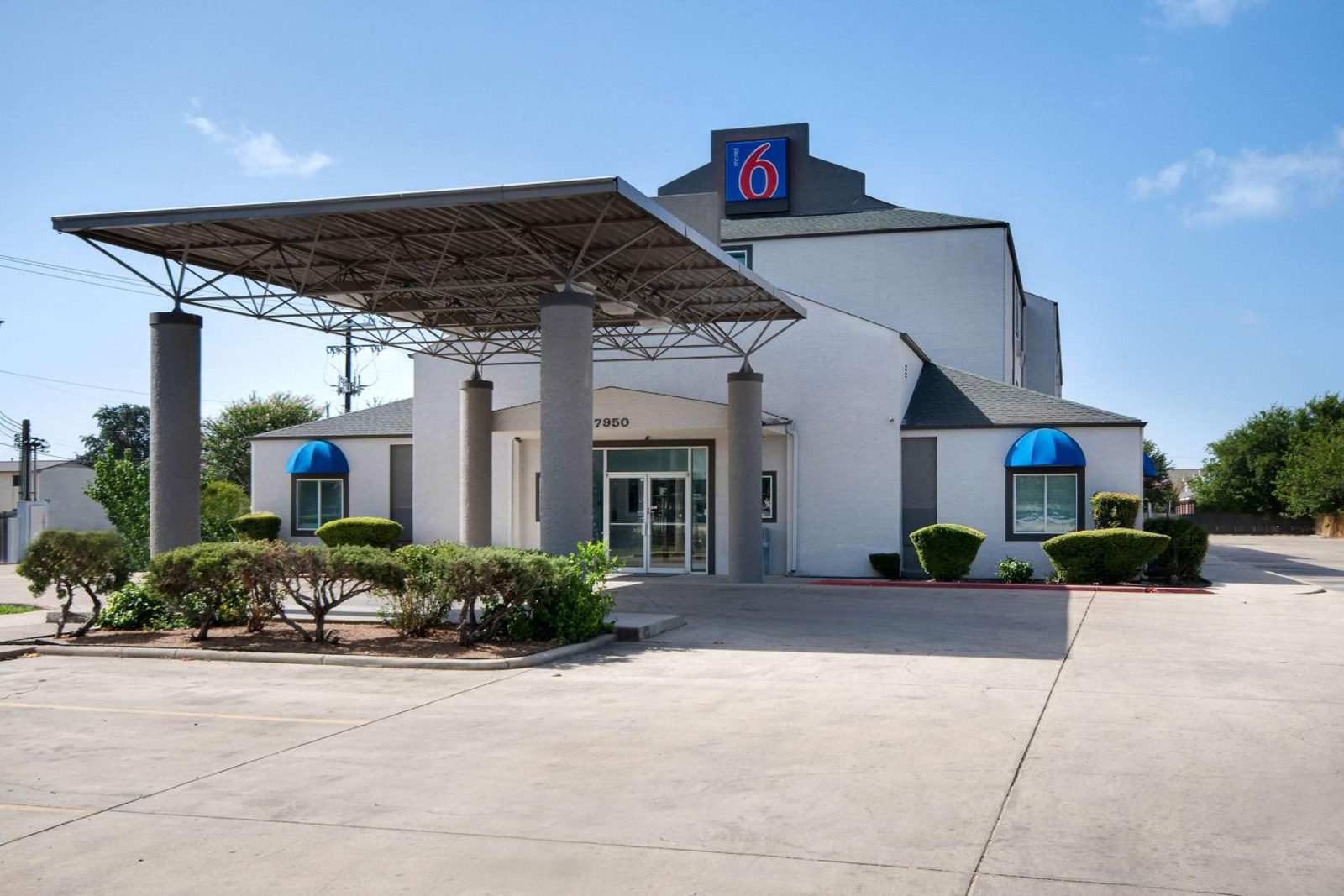
Car · 20-30 min from downtown · Free parking
Drive south from downtown San Antonio via I-37 or Roosevelt Ave to reach Mission San José; free parking lots serve all four mission sites.
Public transport · 35-50 min from downtown · Standard VIA bus fare
VIA Metropolitan Transit bus routes serve the Mission Reach area, with stops near Roosevelt Ave and Mission Rd within walking distance of Mission San José and Mission Concepción.
Bike · 1.5-2 hours one way for all four missions · Free, bike rentals available nearby
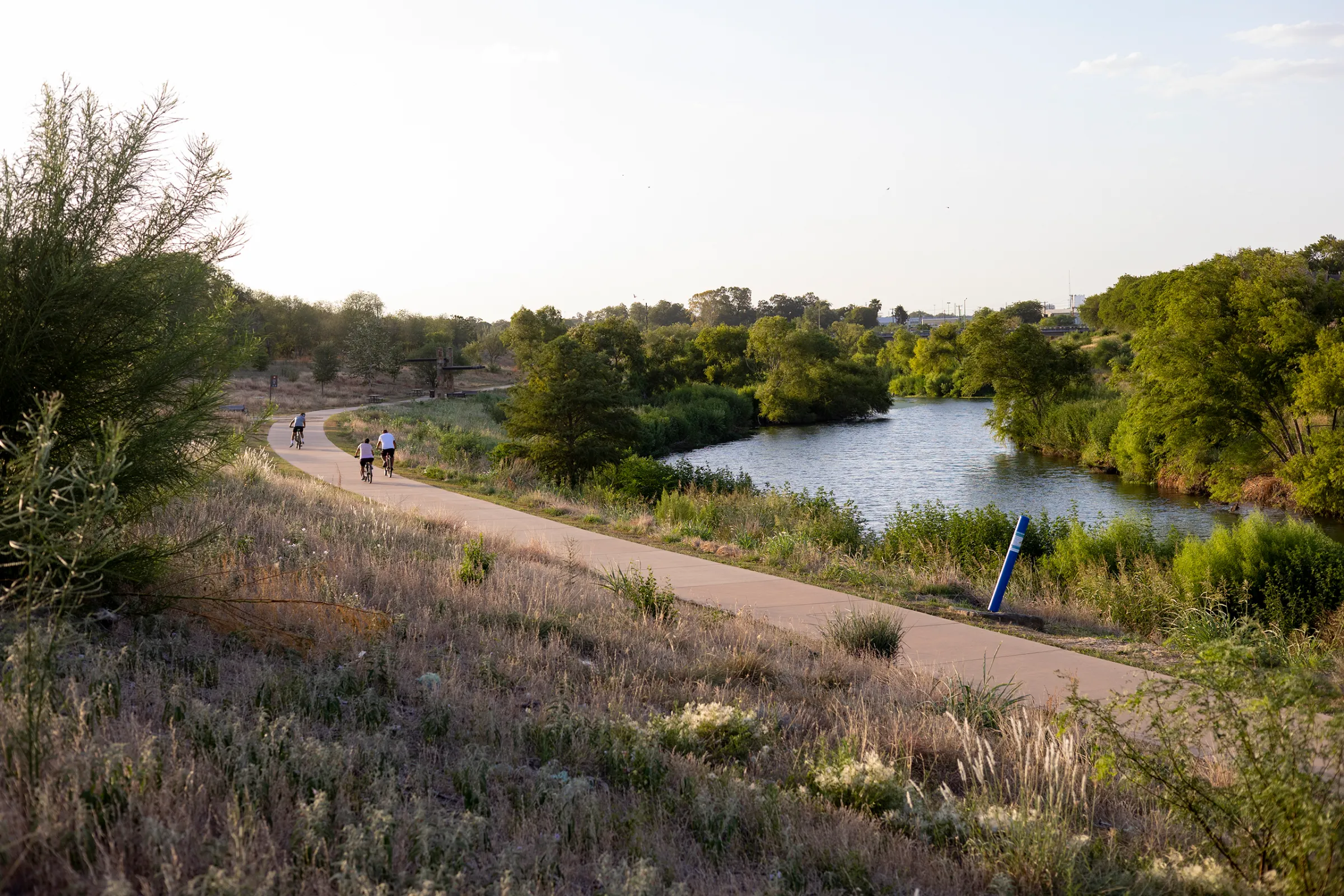
The paved Mission Reach segment of the San Antonio River Walk hike-and-bike trail connects downtown to all four missions.
Taxi · 20-30 min from downtown · Fare varies by provider
Rideshare or taxi from downtown San Antonio drops directly at each mission's parking area.
There is nothing to cancel or refund: entrance is 0 USD with free entry and no reservations required, so visitors can arrive any day within posted hours without forfeiting a fee. Ranger-led programs are first-come, first-served and carry no booking or cancellation charge.
Recommended time
Half a day (4-6 hours for all four missions)
Budget 30-45 minutes at a single mission like Espada or Concepción, but seeing all four sites along the trail runs 4-6 hours once you add driving or biking between them. Many visitors booking San Antonio Missions Tickets underestimate the drive time on Mission Road and end up rushing the last stop before closing. There are no ticket lines since entry is free, so the real bottleneck is parking and the visitor center film at Mission San José, not queueing. Add 30 minutes if you want to sit in on a church service or explore the granary and acequia at San Juan Capistrano.
Crowd levels through the day
Weather · crowds · average price — dots go green to amber to red as each metric rises.
March through May brings mild 60–80°F days and blooming grounds around Mission San José, making it a popular season for San Antonio Missions Tickets visitors before summer heat sets in.
June through August is hot and humid, often exceeding 95°F by early afternoon, so mornings within the 09:00–11:00 arrival window are far more comfortable.
September through November offers cooler 70–85°F afternoons and lighter crowds than spring, a favorite stretch for unhurried mission walks.
December through February stays mild by national standards, typically 50–65°F, though the park closes on Christmas Day and New Year's Day.
Mission Concepción, San José, San Juan, and Espada are active parishes, so weddings or funerals can temporarily close a church nave; a quick look at posted schedules at the Visitor Center avoids surprises.
None of the missions charge an entrance fee, but each keeps a donation box near the entrance for upkeep of the historic buildings.
There are no food or drink concessions at any of the four mission sites, so bring a filled bottle, particularly in the summer months.
Picking up the free park map at the Mission San José Visitor Center makes navigating between the four spread-out mission sites far easier.
Mission Espada's historic bell is still rung daily around midday, a small living detail worth timing a visit around.
Families can start the free Junior Ranger program at the Visitor Center and finish supplemental sheets at each individual mission.
6701 San Jose Dr, San Antonio, TX 78214
Main starting point with parking, restrooms, and park map
Get directions
807 Mission Rd, San Antonio, TX 78210
Second stop on the Mission Trail with on-site parking
Get directionsThe story begins with a relocation. In 1718, Franciscan friars established Mission San Antonio de Valero beside the San Antonio River. Within two decades, four more missions lined the same waterway south of the settlement. Mission San José y San Miguel de Aguayo followed in 1720, founded by Fray Antonio Margil de Jesús. Three others — Concepción, San Juan Capistrano, and Espada — were moved from East Texas in 1731 after the Louisiana frontier proved untenable. These were not chapels alone. Each mission functioned as a walled agricultural community, home to Coahuiltecan peoples who entered seeking refuge from Apache raids and European epidemics. Acequias — gravity-fed irrigation ditches — carried river water to fields of maize and beans. The Espada Aqueduct, completed around 1745, still carries water today. Mission Concepción's church, dedicated in 1755, has never lost its roof, making it the oldest unrestored stone church in the United States. Disease was catastrophic: mission populations collapsed through the 1780s, and secularization began in 1794, distributing lands to remaining residents. By 1824 the mission system was formally dissolved. Decay followed. Roofs fell; San José's dome collapsed in 1868, its north wall in 1928. Restoration came through the Works Progress Administration in the 1930s, when masons rebuilt San José's granary, walls, and Indian quarters using period techniques. The park itself was authorized in 1978. Visitors researching San Antonio Missions Tickets often assume a museum arrangement; in fact all four mission churches remain active Catholic parishes of the Archdiocese of San Antonio, holding Mass weekly. In July 2015, UNESCO inscribed the missions — together with the Alamo — as Texas's first World Heritage Site, citing the interweaving of Spanish and Indigenous cultures. That designation reshaped how San Antonio landmarks are interpreted, and San Antonio Missions Tickets tours now emphasize Coahuiltecan agency rather than conquest narratives. Ranger-led programmes, self-guided walks, and a San Antonio Missions Tickets tour along the Mission Reach hike-and-bike trail all trace the same 18th-century acequia lines. San Antonio Missions Tickets tickets are not required: entry is free, no reservations required, at 6701 San Jose Dr.
Franciscans found Mission San Antonio de Valero on the river's east bank.
Fray Antonio Margil de Jesús establishes Mission San José y San Miguel de Aguayo.
Concepción, San Juan Capistrano, and Espada are relocated from East Texas.
The Espada Aqueduct is completed, carrying acequia water over Piedras Creek.
Mission Concepción's stone church is dedicated and has kept its original roof since.
Secularization dissolves the mission system and redistributes farmland to residents.
WPA crews rebuild San José's granary, perimeter walls, and Indian quarters.
UNESCO inscribes the missions as Texas's first World Heritage Site.
The carved sacristy window on the south wall of Mission San José's church is one of the most photographed details in the park; stand back a few feet from the low fence to frame the full baroque stonework, with soft directional light bringing out the relief carving. Many who plan a San Antonio Missions Tickets visit build their whole route around getting this shot early.
Shoot the symmetrical stone facade from the open plaza directly in front of the church, low sun raking across the caliche walls to reveal faded fresco pigment still visible around the tower windows. This is the oldest unrestored stone church in the country, so the texture reads best without midday glare.
Inside the convento, a small preserved ceiling fresco known as the Eye of God offers a tighter architectural detail shot; a wide-angle lens works well in the dim interior, and flash is discouraged out of respect for the fragile 250-year-old pigment.
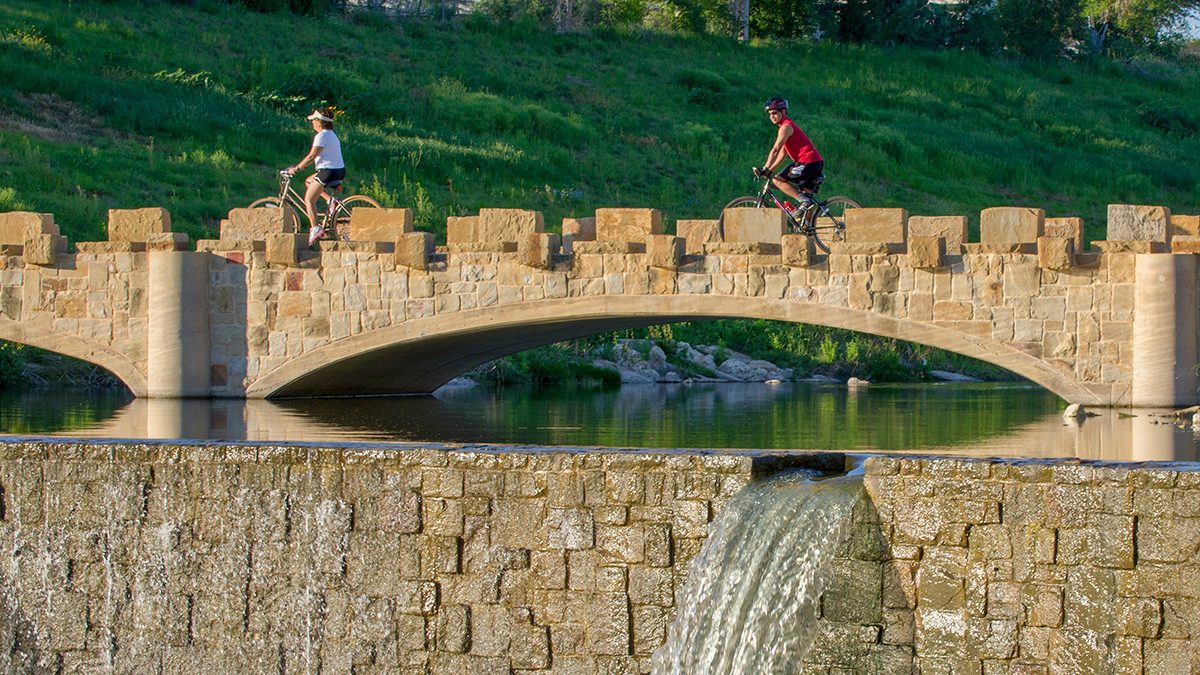
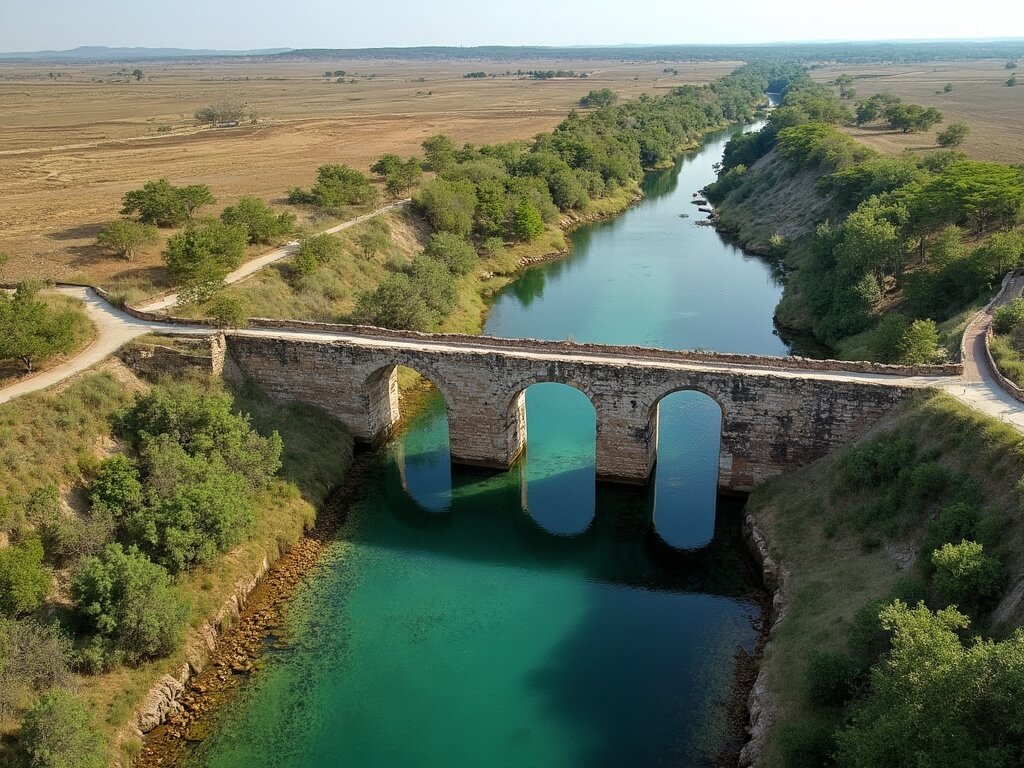
The twin limestone arches carrying the historic acequia across the creek are best photographed from the creek bank looking up at the arches, or from the walking path for a full side profile with water reflections. It remains part of a working irrigation system, so water flow and reflections vary by season.
The reconstructed perimeter walls and Indian quarters along the compound's south side give a wide establishing shot of the walled mission layout, best captured from the courtyard looking toward the church tower rising above the wall line.
Getting San Antonio Missions Tickets costs nothing, so families can move at their own pace across four separate sites instead of rushing to justify an entry fee. Most parents pick one or two missions rather than attempting all four with young kids in tow.
Skip trying to see all four missions in one day with small children; pick Mission San José for its restored compound and grist mill, then add one more if energy allows. The missions sit roughly 2.5 miles apart, so driving between them beats walking with tired legs.
Paved paths and grounds at each mission are stroller-friendly, though gravel sections near the walls can be bumpy. A jogging-style stroller handles the Mission Reach trail sections more comfortably than a compact umbrella stroller.
Kids ages 5-12 get the most out of the free Junior Ranger booklet, available at the Mission San José visitor center, since the activities involve reading and simple observation. Toddlers still enjoy the open courtyards and grist mill but won't engage with the ranger program itself.
Restrooms and water fountains are available at the main visitor center, but the smaller missions have limited amenities, so fill water bottles before setting out. Shade is scarce along the connecting trail, so a hat and sunscreen matter more than at the buildings themselves.
The visitor center exhibits and gift shop offer a dry fallback if weather turns, and the daily ranger-guided programs at Mission San José still run under the mission's covered walkways. Save outdoor trail walking between missions for a clearer day.
Real experiences from real travelers
We picked up San Antonio Missions Tickets tickets and drove the trail south from Concepción down to Espada. The limestone at San José glows almost orange when the sun is low, and the granary is bigger inside than it looks from the road. Bring more water than you think you need in June.
Coming from downtown I expected crowds, but Espada was nearly empty and we could hear the wind in the mesquite. The acequia system still carries water, which surprised me more than anything in the churches themselves. Worth the extra drive to the southern end.
The San Antonio Missions Tickets tour was well organised and our guide knew the difference between the restored and original stonework. Only note is that the sites are spread out and there is more time in the van than I anticipated. San José was the highlight for me.
Stood in front of the Rose Window at Mission San José around seven in the evening and the carving detail was much sharper than in photos. The compound walls hold the day's heat, so the shade of the convento arcade was welcome. Active parish, so services were going on at one of the churches.
Everyone talks about San José but the Espada Aqueduct was the part I keep thinking about. Water still running through a channel built by hand centuries ago, with oaks overhead and almost nobody around. We combined it with a stretch of the Mission Reach greenway.
Rented bikes and did the Mission Trail along the river instead of driving between San Antonio landmarks, which turned out to be the better call. Flat, shaded in stretches, and you arrive at each compound instead of pulling into a parking lot. Started early because by noon the Texas sun is not kind.
La visita a las misiones fue tranquila y bien explicada. Mission Concepción still has faint painted patterns on the interior walls and the twin towers photograph beautifully from the lawn. Our small-group San Antonio missions tour left plenty of room to wander on our own.
Went in late autumn and the light through the bell tower openings at San Juan was lovely around four in the afternoon. The chapel is small and simple compared to San José, but I liked it for that. Skip-the-line San Antonio Missions entry saved us a bit of standing around at the visitor centre.
The strange scalloped doorway at Mission Espada is worth the drive on its own — nobody can quite agree how it ended up that shape. Ranger at the visitor centre was generous with time and stories. San Antonio Missions Tickets tours made the logistics simple for a first visit.
Arrived just after opening on a grey January morning and had the San José courtyard almost to ourselves, frost still on the grass. The scale of the fortified walls really lands when there is nobody else standing in them. Bought San Antonio Missions Tickets the night before and it was straightforward.
Everything you need to know for your journey
All four mission sites are open daily from 09:00 to 17:00, with closures only on Thanksgiving, Christmas Day, and New Year's Day.
No reservations or San Antonio Missions Tickets purchase is required; entrance is free at all four missions and the Visitor Center.
Grounds and buildings close at 17:00 sharp, so plan to begin the final mission stop no later than mid-afternoon.
The Mission San José Visitor Center has paved, wheelchair-accessible paths and restrooms, while some sections at the smaller missions have uneven gravel.
Prohibited items include unpermitted drones, tripods, weapons, alcohol, and amplified sound equipment among others listed in the park's visitor guidelines.
Yes, personal non-flash photography is allowed throughout the grounds and inside the churches; commercial filming and drone use need a park permit.
Early mornings between 09:00 and 11:00 offer cooler temperatures and lighter crowds, especially useful for a San Antonio Missions Tickets tour during summer.
Casual clothing is fine, but shoulders should be covered when entering the active church interiors out of respect for ongoing worship.
There are no food concessions at any mission site, so visitors should bring water and snacks before arriving.
Free parking lots serve each mission site, reachable by car in about 20-30 minutes from downtown San Antonio, or via VIA Metropolitan Transit buses.
Yes, families can pick up a free Junior Ranger booklet at the Visitor Center, and the paved Mission San José courtyard suits strollers well.
Nothing is charged for entry, so there is no fee to cancel; visitors can simply choose another day within the posted 09:00–17:00 hours.
Nearby sites for a combined San Antonio landmarks tour include the Mission Reach River Walk trail, the Espada Dam, and the Hot Wells Historic Site, all a short drive or walk from the mission grounds.
A paved hike-and-bike trail segment that runs along the San Antonio River connecting the missions to downtown. It passes native landscaping and river overlooks distinct from the mission grounds themselves.
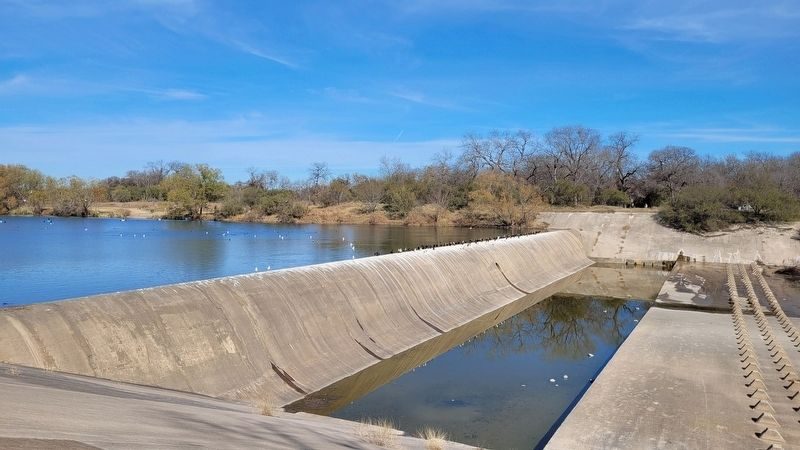
An 18th-century Spanish colonial dam near Mission Espada that still diverts water into the historic acequia system. It sits just south of the aqueduct along the river.
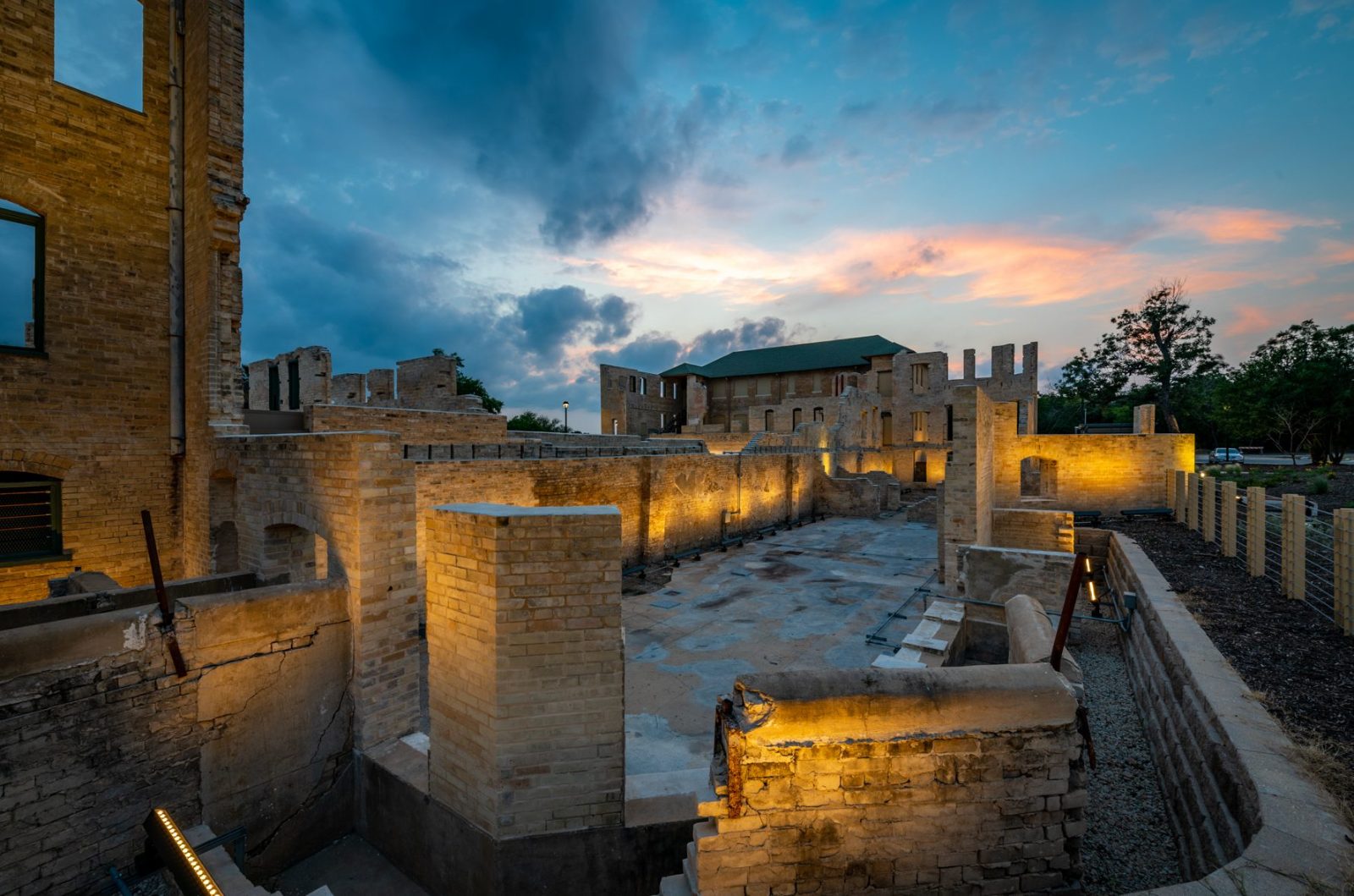
Ruins of a 19th-century bathhouse resort built around natural hot springs along the San Antonio River. Interpretive panels describe its early tourism history.
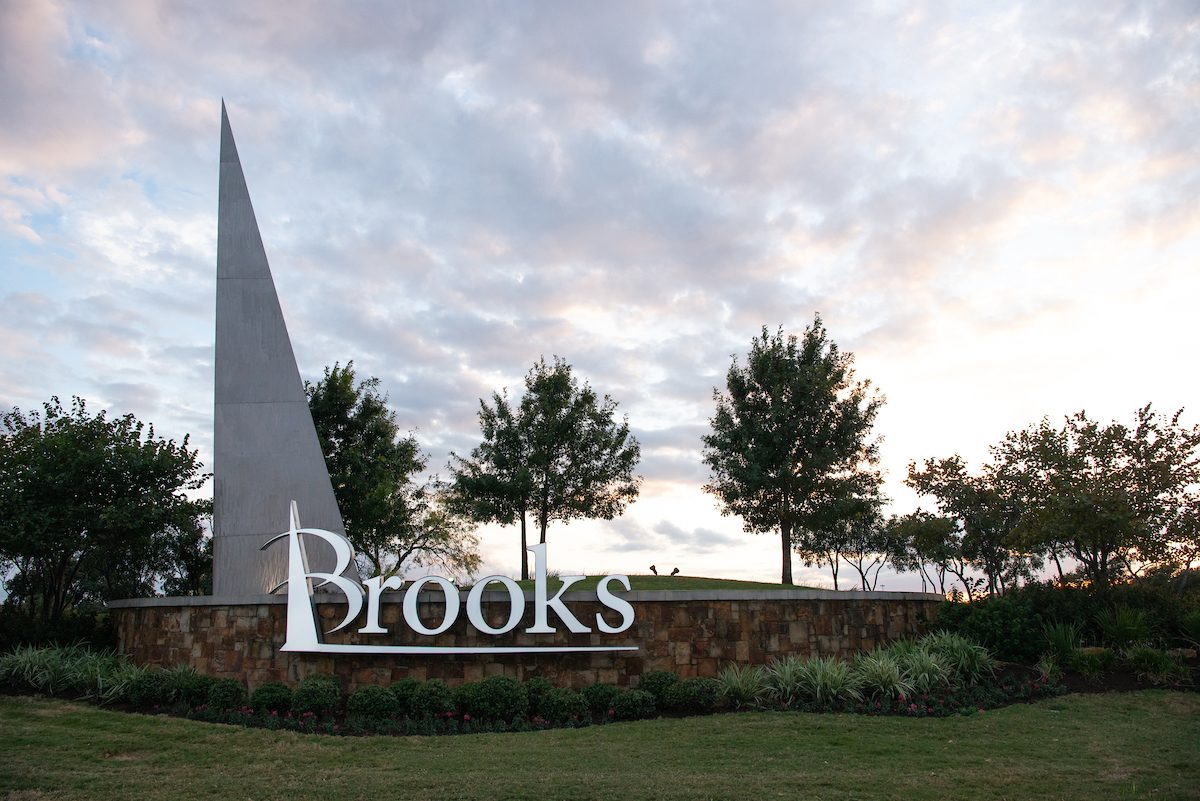
A redeveloped former Air Force base now home to parks, trails, and community green space near the missions.
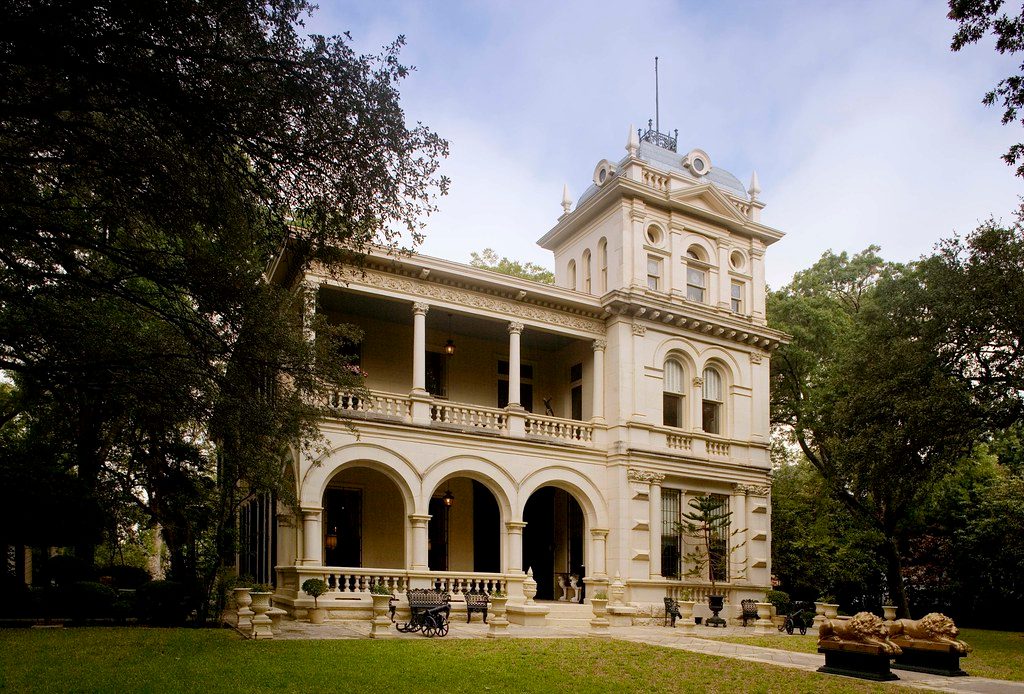
A historic, walkable neighborhood of Victorian homes and independent restaurants north of the missions, popular for boutique stays.
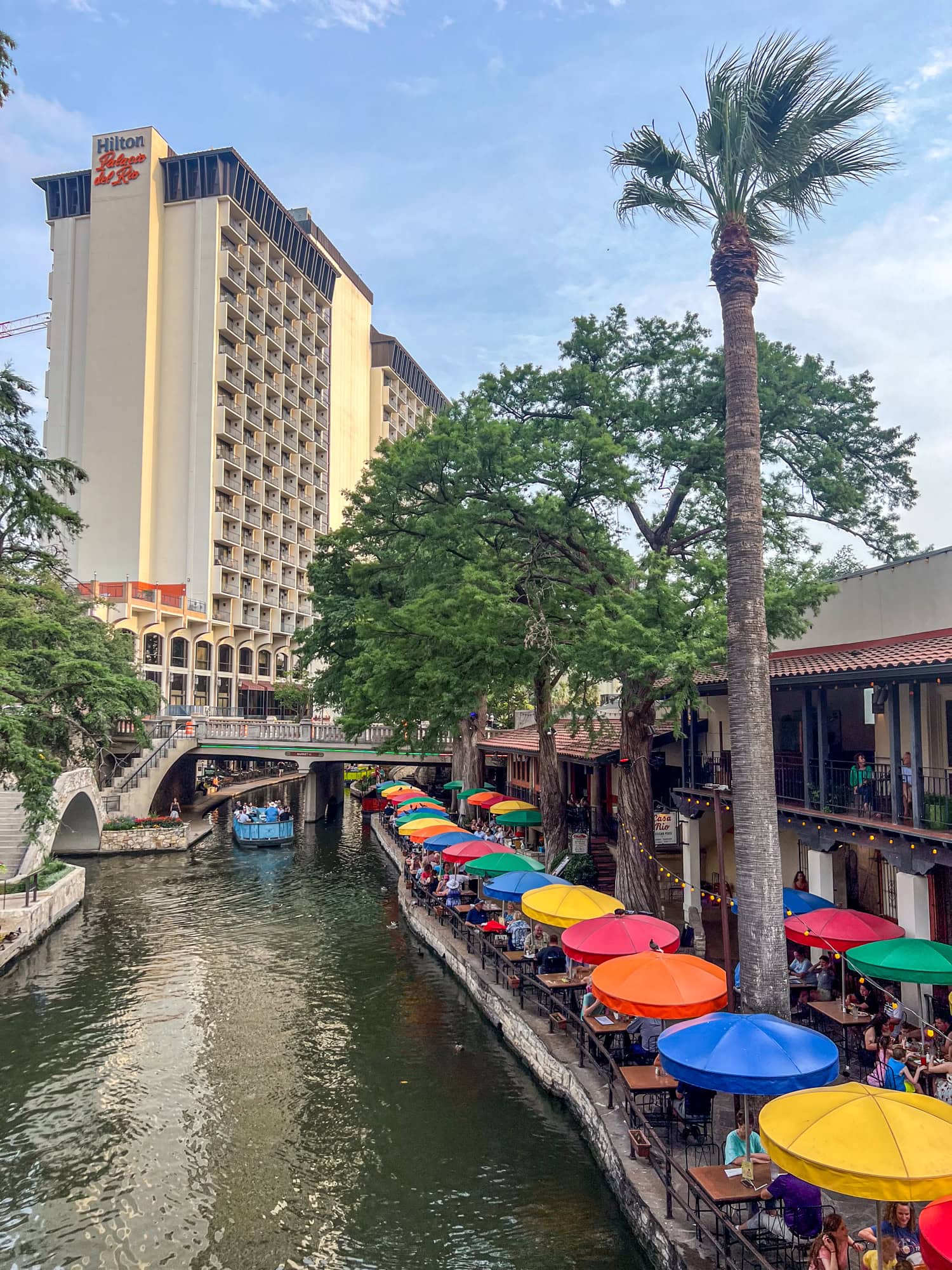
The River Walk and Alamo Plaza area concentrates most chain and mid-range hotel options for visitors combining downtown sights with the missions.
Chain motels along nearby highway corridors offer lower-cost lodging close to the mission sites.
Join thousands of happy travelers who have discovered this incredible experience
Book Your Experience Now